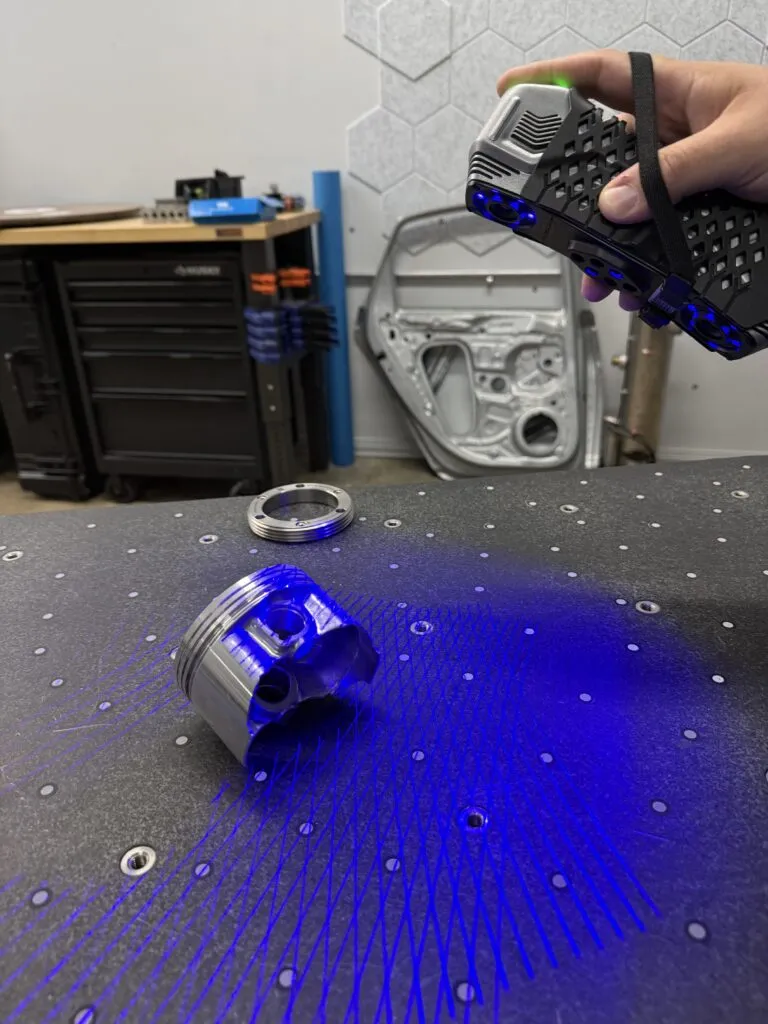
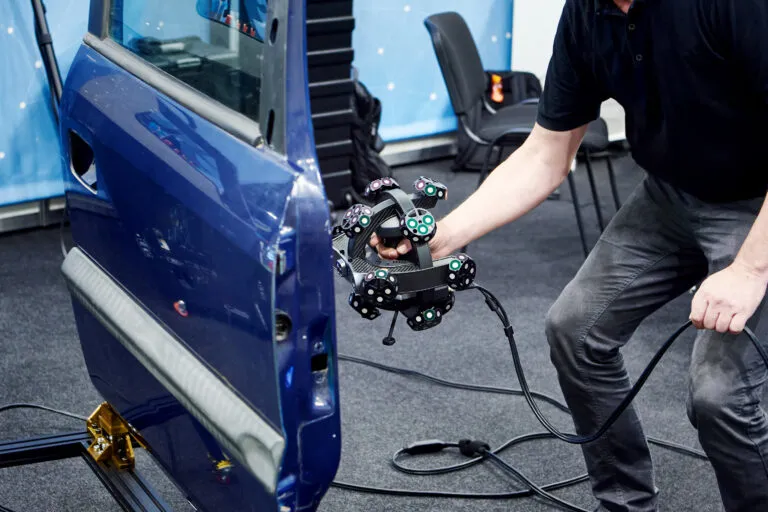
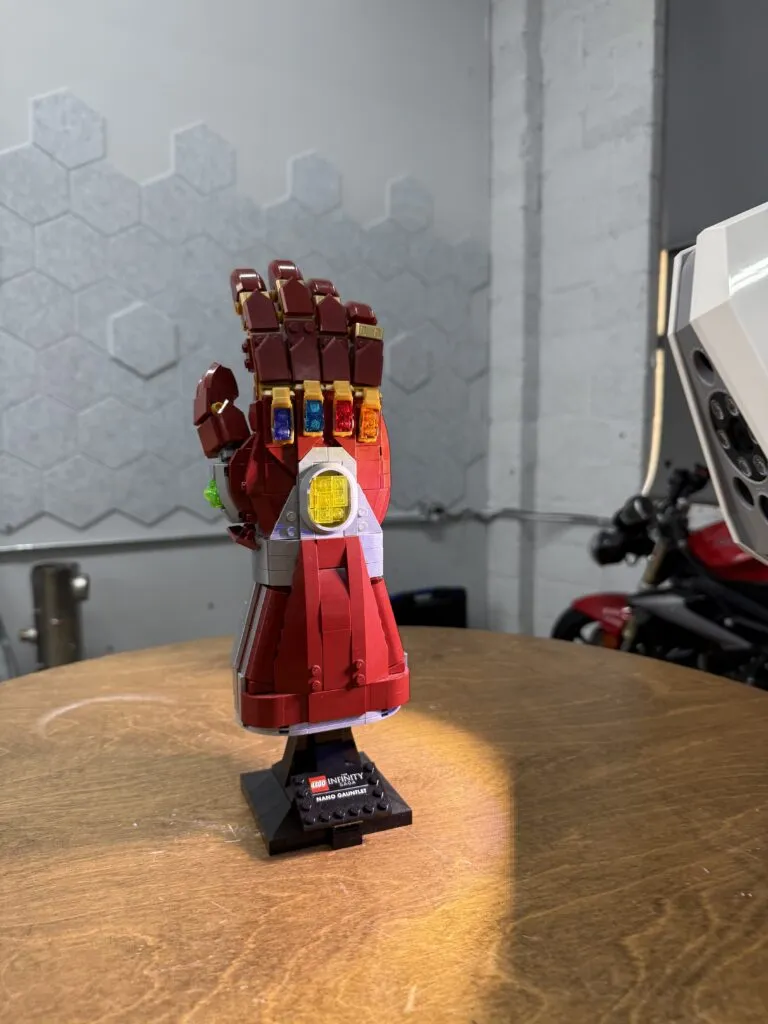
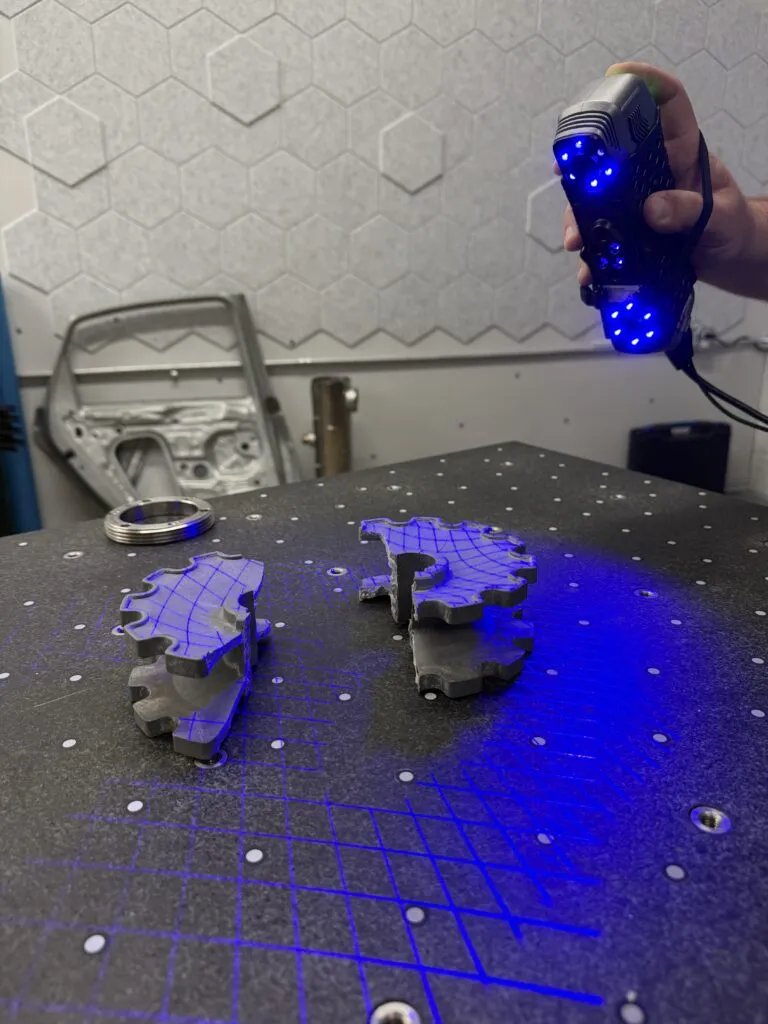
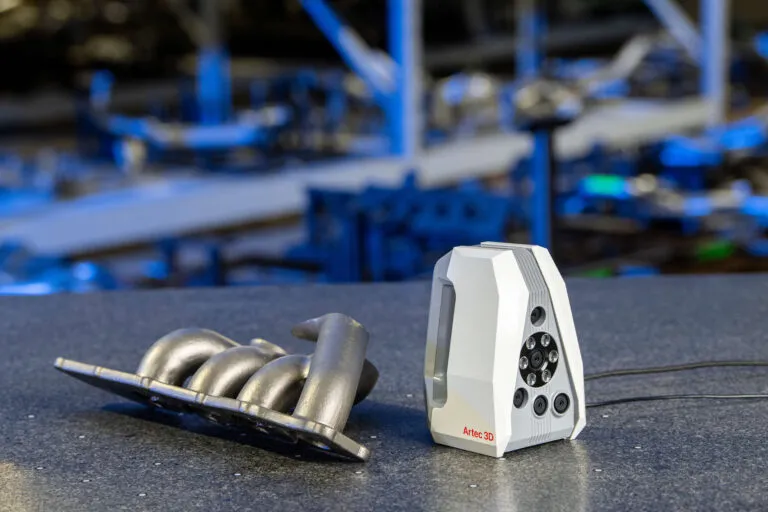
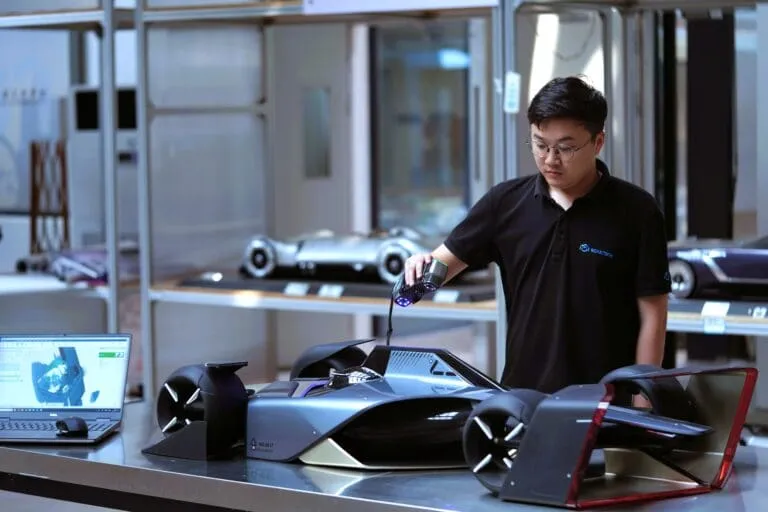
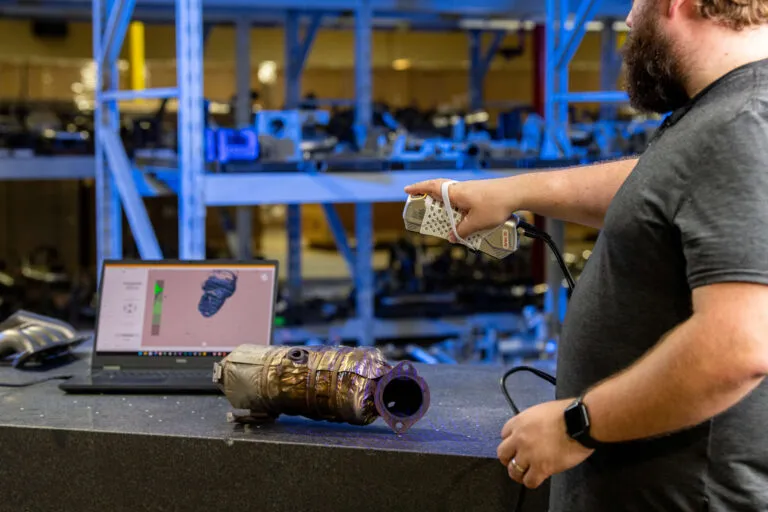
A fender comes off the press and something is off. The hole pattern checks out on the CMM and every dimension on the print is in tolerance, but the panel…
For most of the twentieth century, a crime scene was preserved with a tape measure, a roll of film, and a hand sketch. Those methods still work, but they capture…
If you have ever searched for a way to turn a physical object into a digital model, you have probably run into two terms used almost interchangeably: photogrammetry and 3D…
A pump bracket cracks on a 30-year-old packaging line. The OEM dissolved a decade ago, the drawings are gone, and the part number returns nothing but dead links. For maintenance…
A coordinate measuring machine touches a handful of points and reports a number. A 3D scanner captures millions of points across the entire surface, then asks a harder question: which…
Quality teams are being asked to inspect more parts, to tighter tolerances, with the same or fewer people. Automated 3D inspection quality control, running optical scanning, alignment, and GD&T evaluation…
A capital request for a $20,000 to $80,000 3D scanner rarely fails on the technology. It fails because the engineer asking for it can’t answer the question a CFO actually…
An aging aircraft rarely come with a complete paper trail. By the time a structural bracket, an actuator housing, or a landing gear fitting reaches its third or fourth overhaul…
A first article inspection is where a new part program proves it can actually make the drawing. For aerospace and defense suppliers, the FAI is also the document that survives…
Every scanner owner eventually meets a part that simply won’t cooperate: a chrome bracket that throws light back at the sensor, a clear acrylic housing the laser passes straight through,…
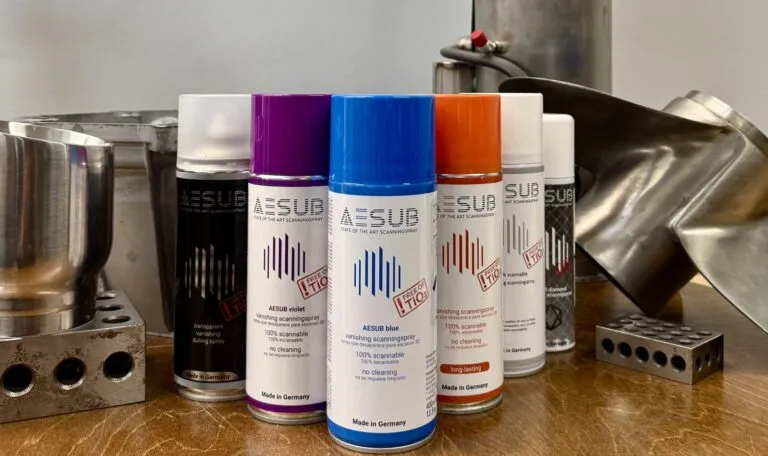
Almost every shiny, dark, or translucent part you put in front of an optical scanner refuses to cooperate. Light scatters, bounces, or passes straight through, and your point cloud comes…
While desktop 3D scanners are known for high precision and convenience, they often require proper setup, calibration, and optimization for optimal performance. You can enhance the performance of your desktop…
Although handheld scanners offer high accuracy, their level of precision can’t be compared to that of stationary scanners. The fact that they’re held by hand means they’re likely to lose…
3D scanning has become a game-changer across multiple industries, enabling businesses to streamline workflows, improve accuracy, and reduce production costs. This technology allows for the rapid digitization of physical objects…
As industries evolve and digital transformation accelerates, 3D scanners have become indispensable tools across manufacturing, healthcare, architecture, and more. These advanced devices bridge the gap between the physical and digital…
A 3D scanner is a device that captures surface details and structures of a physical object, converting them into a digital model. These scanners use advanced imaging techniques such as…
3D scanners are high-precision devices designed to capture the shape, size, and details of real-world objects and convert them into digital 3D models. Using laser beams, structured light, or X-rays,…
Read article
Talk to our team
Have a scanning question?
Tell us about your parts, accuracy targets and workflow. The right person on our team will get back to you with a recommendation.