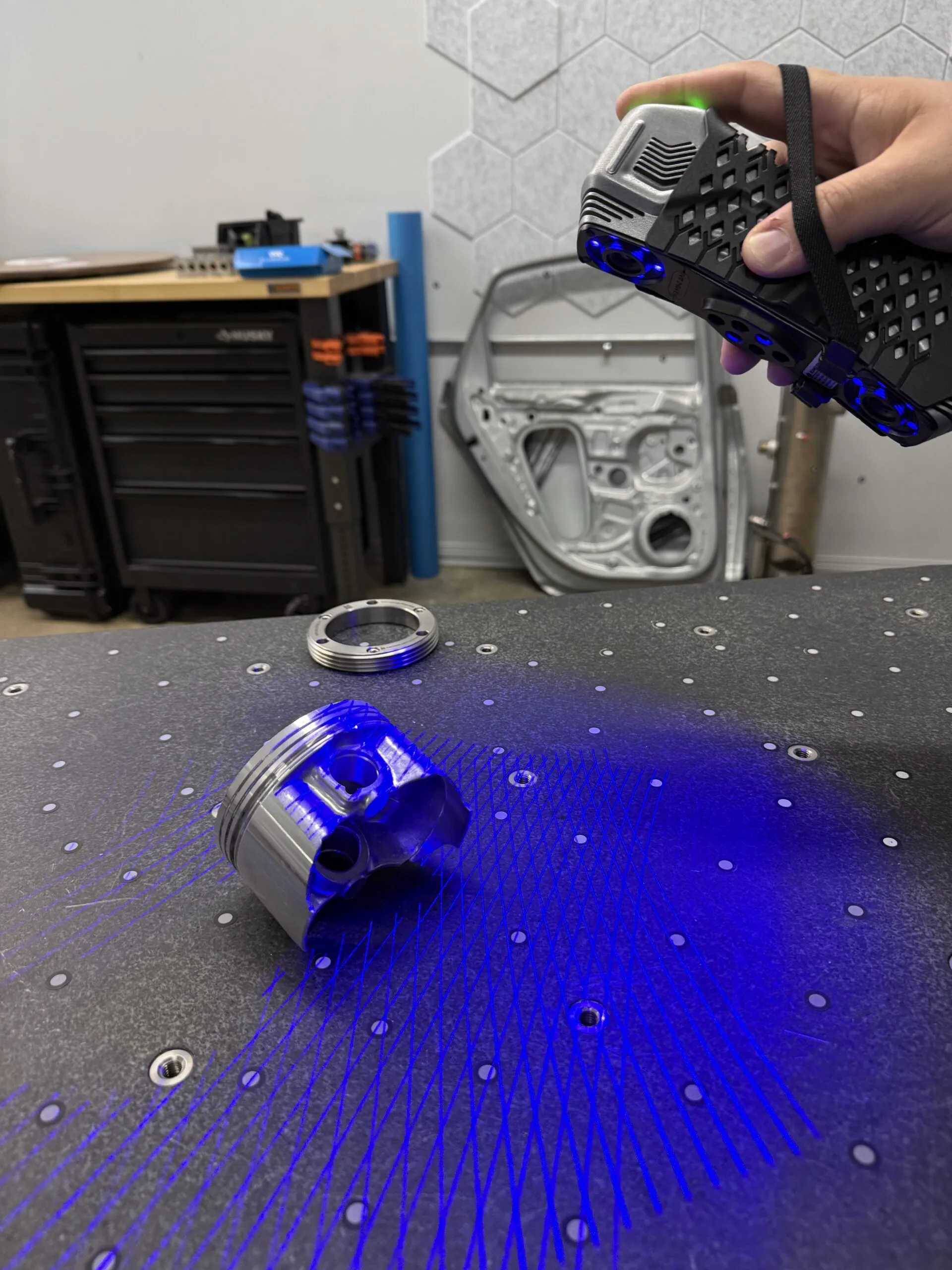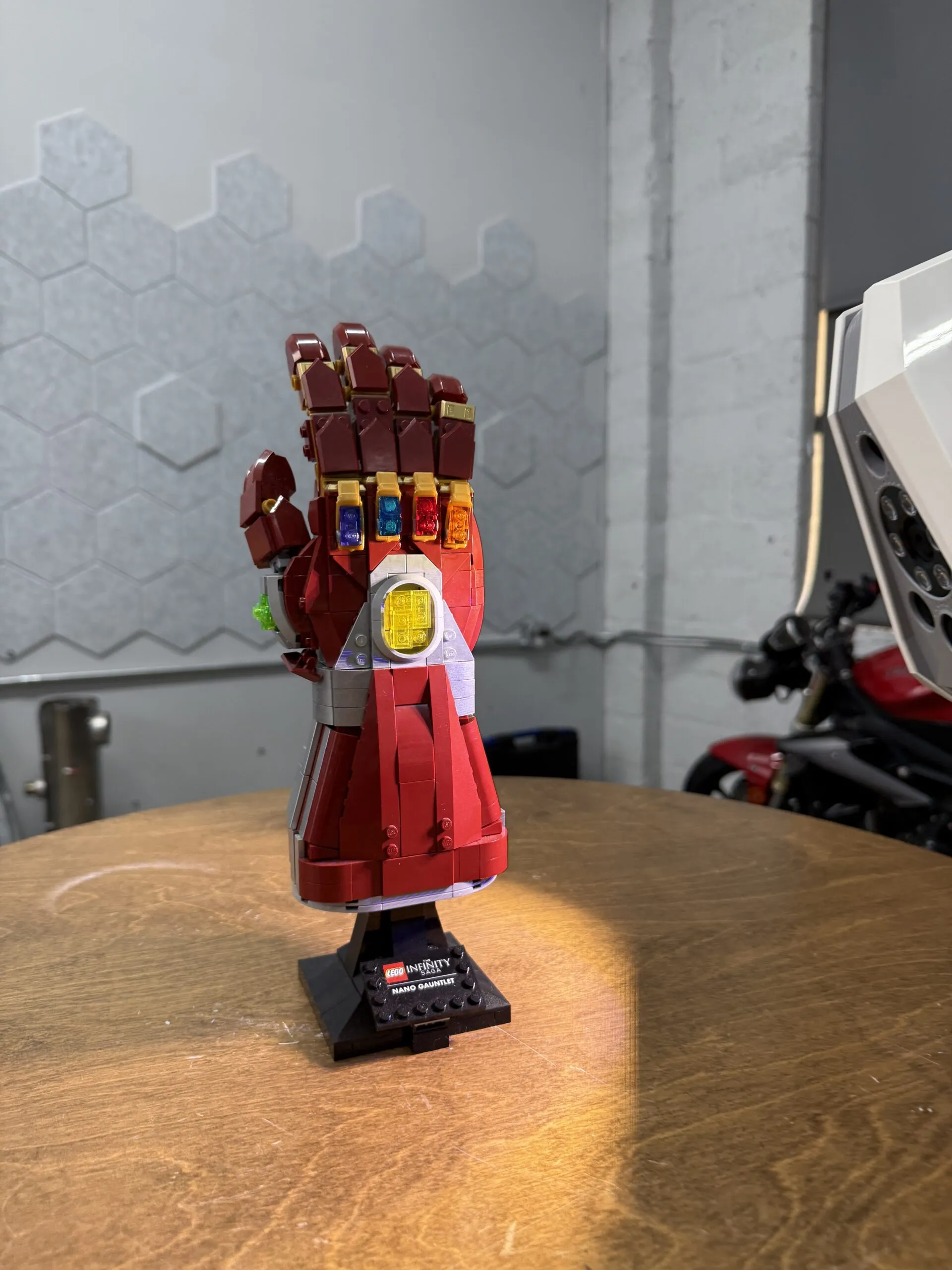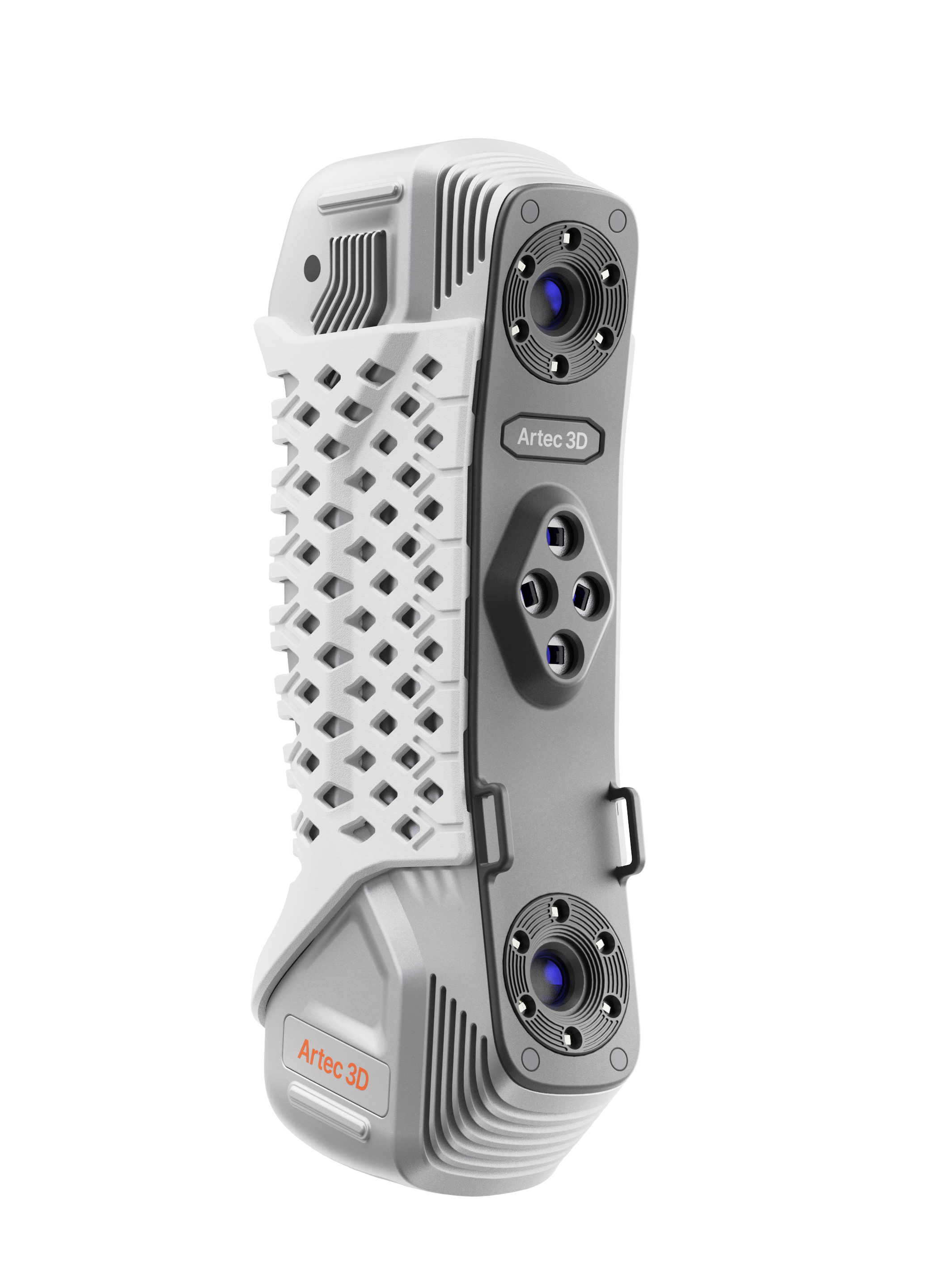
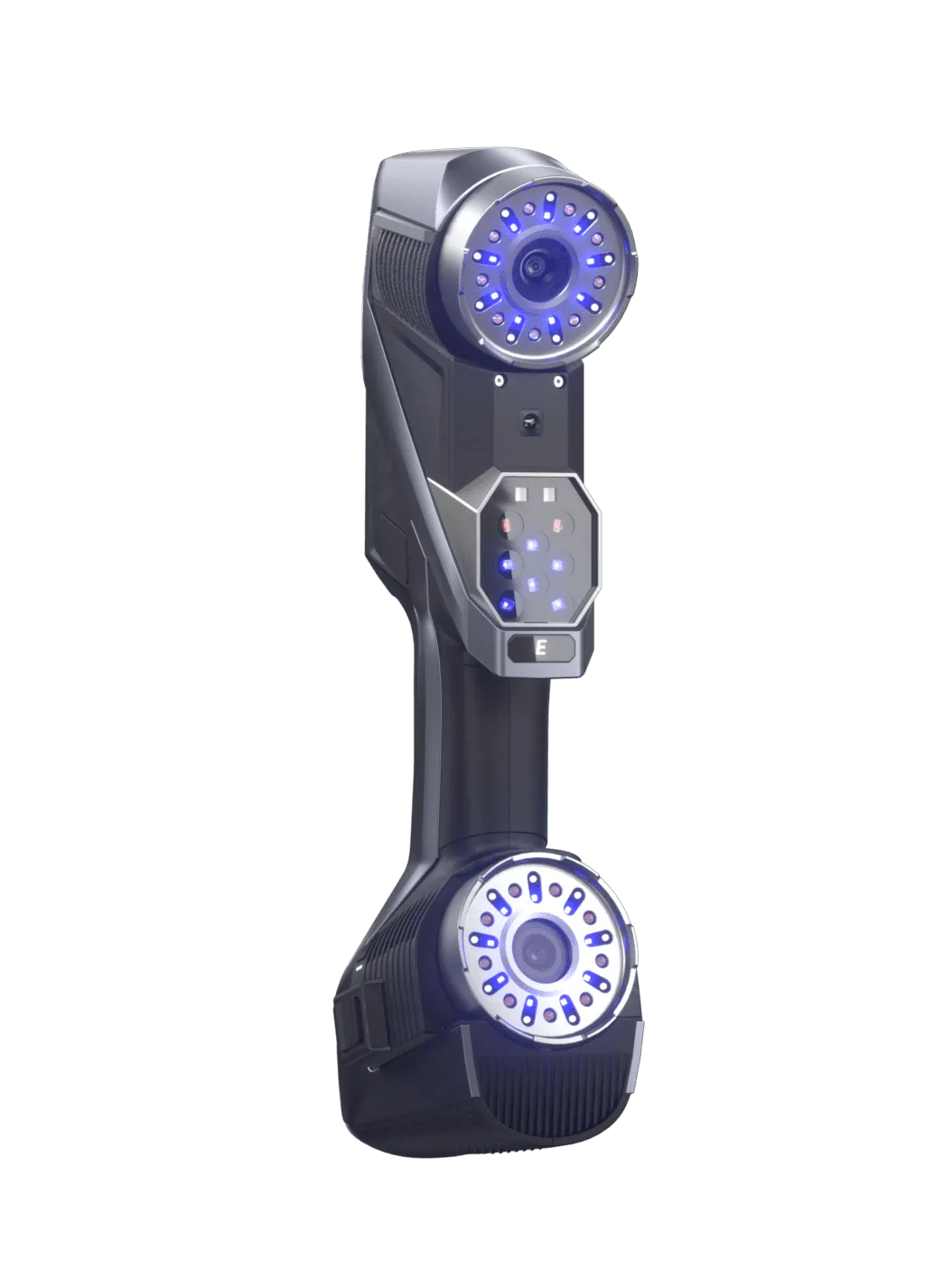
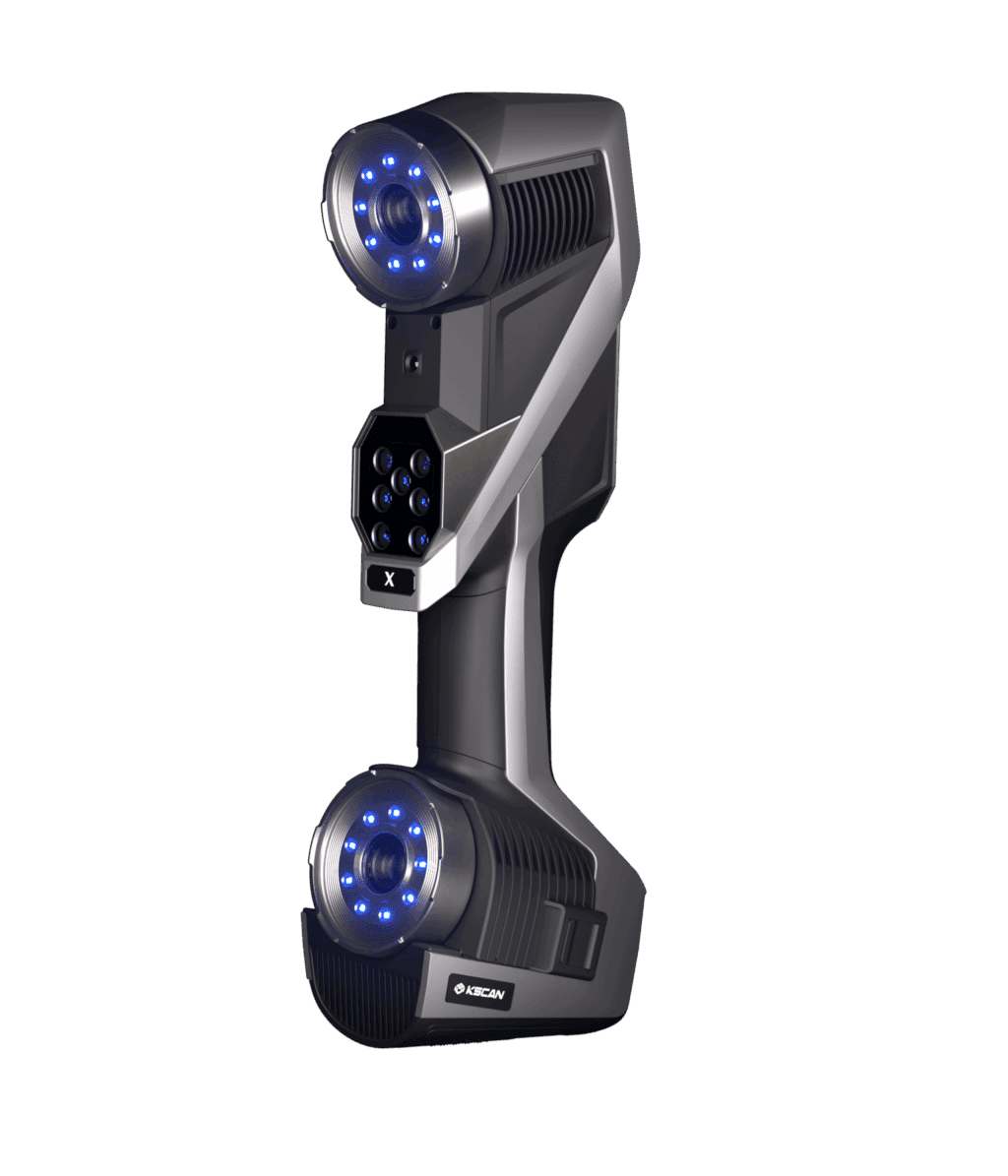
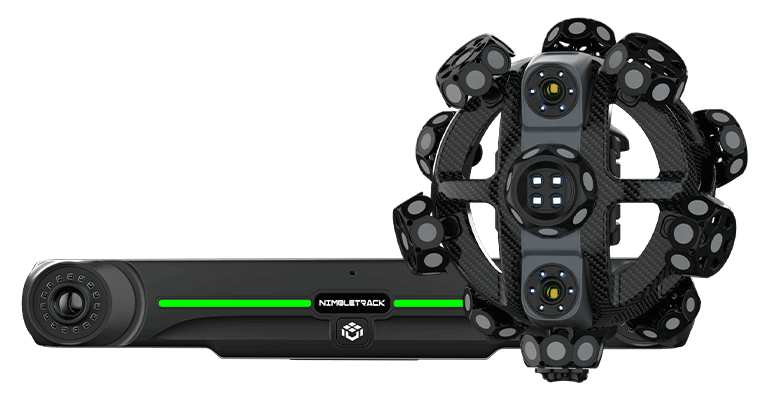
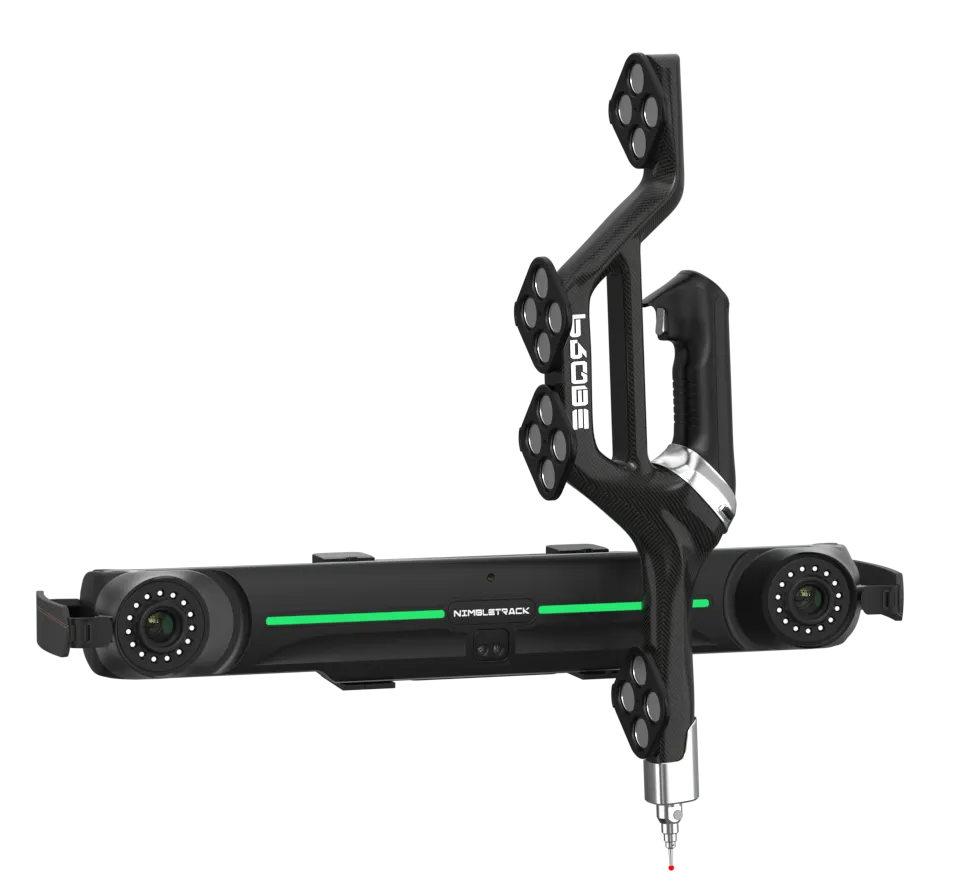
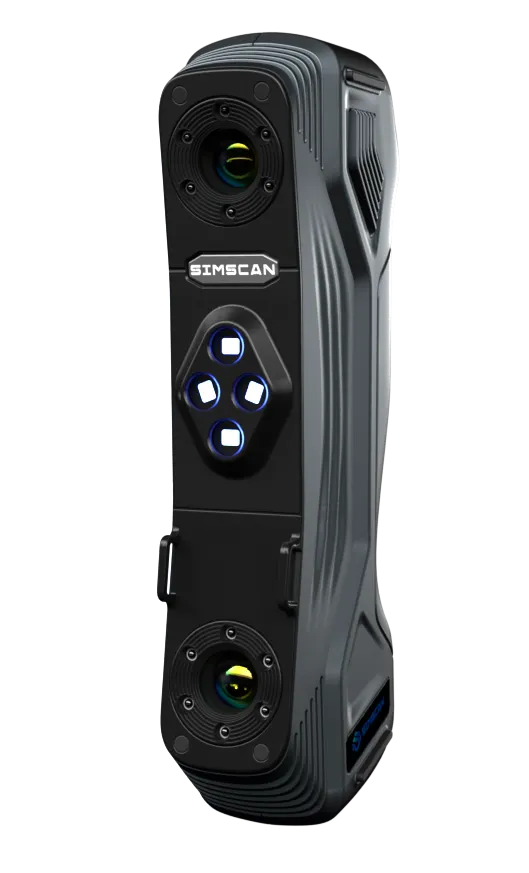
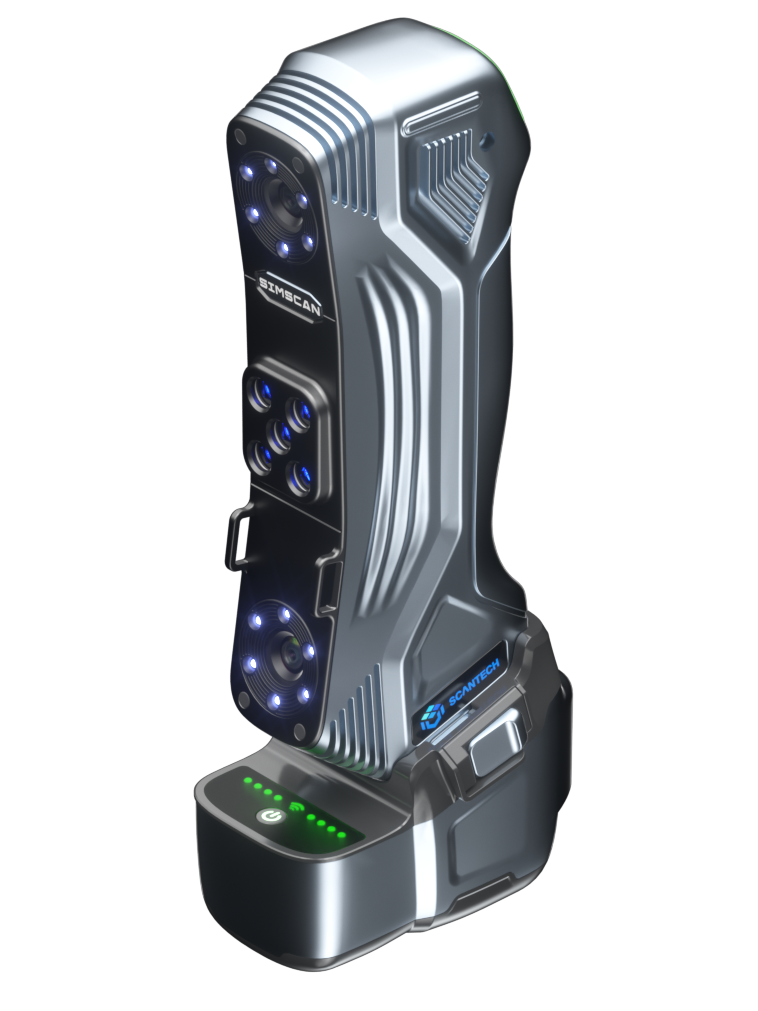
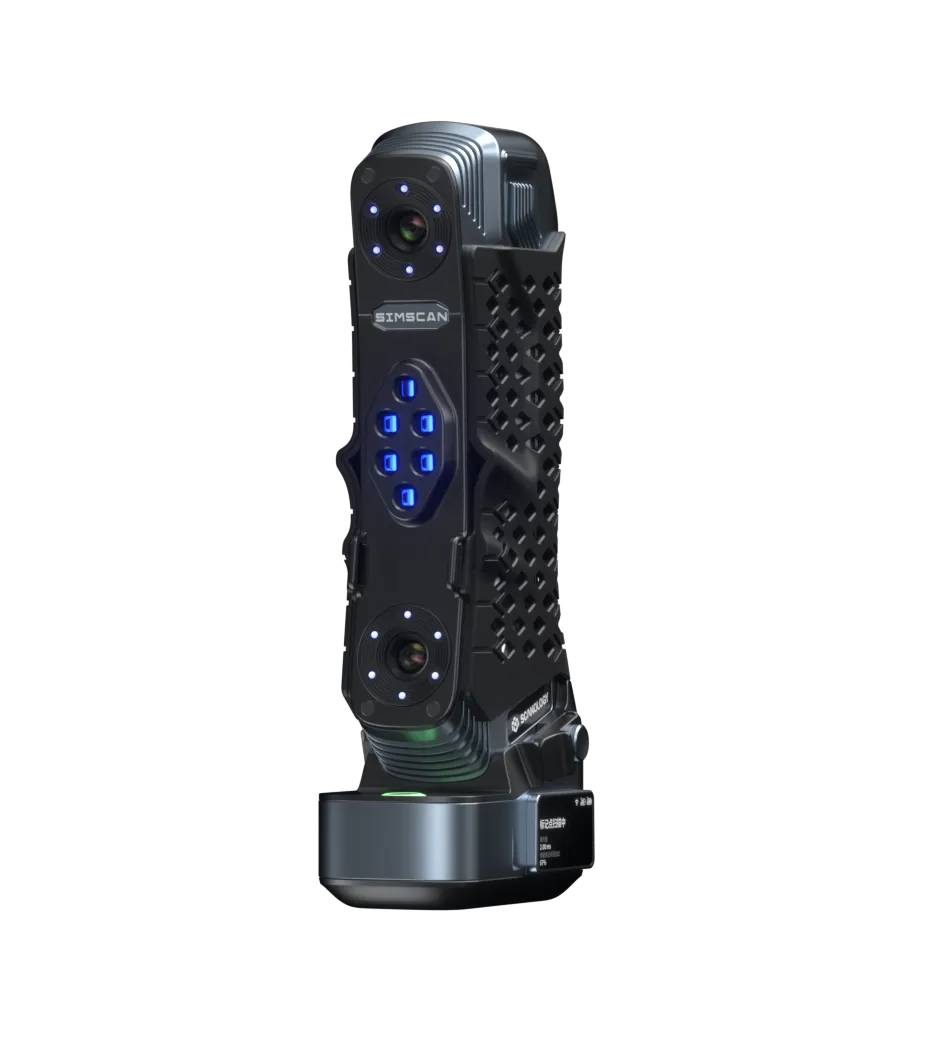
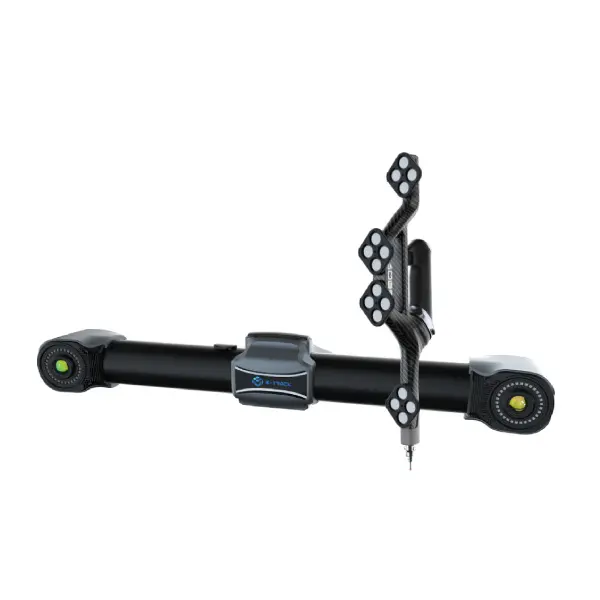
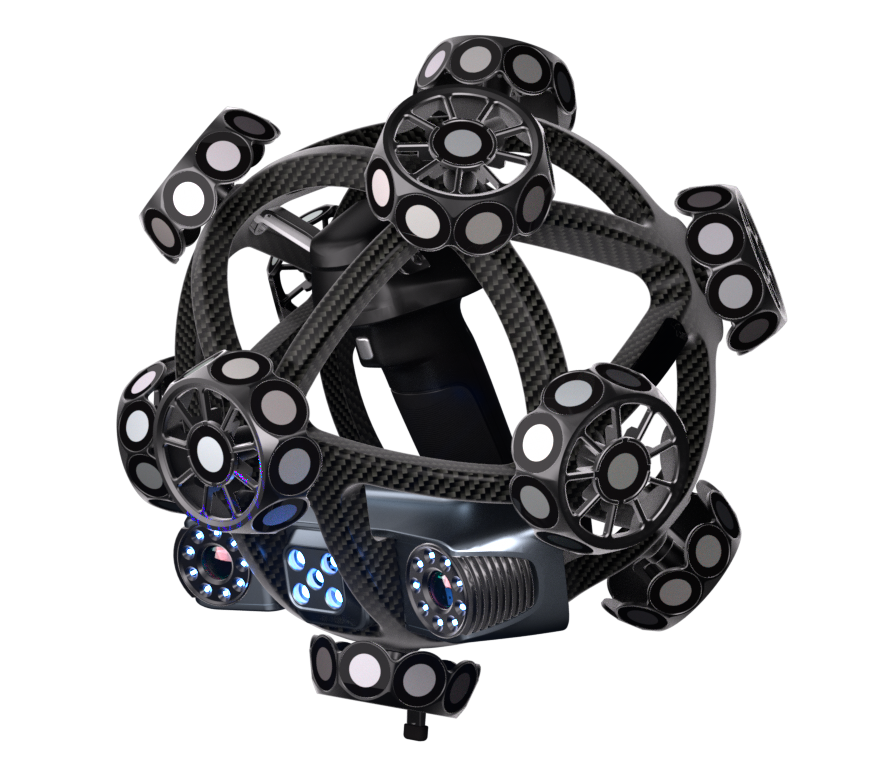
“Spray-free” in 3D scanning refers to a scanner’s ability to capture accurate 3D data from dark, shiny, reflective, or slightly transparent surfaces without applying a matte scanning spray.
By type
More
By brand
All 3D Scanners →
Not sure which one?
Bring us the part.
Tell us the part size and the tolerance you need to hold, and our engineers will narrow it down.
Talk to an engineer →Scan and process
Inspect
Inside SOLIDWORKS and Inventor
Try before you buy
Free trial on every package
Not sure which software you need? Compare them all by job on one page.
Compare 3D software →What we do

On site or in our lab
Send us the part.
Send us a part or bring us on site, and we will scan, inspect or reverse engineer it for you.
Request a quote →Learn
Training and events
Spray-free 3d scanners are advanced scanning systems that capture accurate 3d data without needing surface spray to prepare the object first. Traditional 3d scanning often requires applying a temporary matte spray to shiny, dark, or reflective surfaces so the scanner can “see” the part clearly. Spray-free scanners eliminate that step, saving time, reducing material costs, and protecting parts from unnecessary handling.
“Spray-free” in 3D scanning refers to a scanner’s ability to capture accurate 3D data from dark, shiny, reflective, or slightly transparent surfaces without applying a matte scanning spray.
Yes, some modern 3D scanners can scan shiny, black, or reflective surfaces without spray, depending on the technology used. Blue laser 3D scanners are typically more effective on these surfaces, while structured light scanners may still require a temporary matte spray in challenging cases.
Yes, there are limitations to spray-free 3D scanning. While modern laser and structured light scanners can capture many dark or reflective surfaces without preparation, certain materials (especially transparent, or mirror-like finishes) may still require a temporary matte scanning spray for accurate results.
Spray-free 3D scanning eliminates surface preparation, while scanning with spray improves performance on difficult surfaces but adds time, handling constraints, and minor surface thickness. The best approach depends on material type, accuracy requirements, and workflow priorities.
Spray-free 3D scanning is enabled primarily by blue laser 3D scanning technology, advanced optical sensors, and high dynamic range imaging systems that can accurately capture dark, shiny, or reflective surfaces without applying matte spray.
Yes, if your 3D scanner requires targets or reference markers for tracking (for example, Simscan-E and KSCAN-E), you will still need them whether or not you use spray. Spray and markers serve different purposes in 3D scanning and are not interchangeable.
3D Scanning & Metrology News, Press, Insights, Trends, Case Studies, and more.