How Does 3D Scanning Work? A Beginner’s Guide to the Technology
You have a part on the bench and no drawing for it. Or you have the drawing, and now you

Every artifact and monument is on a clock. Stone weathers, pigments fade, bronze corrodes, and a single earthquake, flood, or fire can erase an object that survived for two thousand years. 3D scanning for heritage preservation gives cultural institutions a way to capture an artifact or structure exactly as it exists today, with its geometry, color, and surface texture, and hold that record indefinitely, independent of the fragile original.
This guide is written for museum curators, conservators, preservation specialists, and university archaeology departments evaluating non-contact digitization for the first time. We cover where 3D scanning fits in heritage work, how to choose between handheld and long-range systems, how to capture color and texture faithfully, the file and archive standards worth adopting, and where the grant money tends to come from.
Traditional documentation, including measured drawings, photography, and written condition reports, captures a fraction of what an object actually is. A photograph flattens a relief carving; a caliper measurement records one dimension at a time and requires touching the surface. A high-resolution 3D scan, by contrast, records the full three-dimensional geometry of a subject as a dense point cloud or polygon mesh, often resolving features down to a few microns on small artifacts. The result is a measurable, archival digital twin rather than an interpretation.
Three forces are driving adoption across museums, conservation labs, and archaeology programs:
Crucially, modern 3D scanning services and equipment are non-contact and use safe, eye-friendly light sources, so the digitization process itself adds no risk to the subject. That single property is what makes 3D scanning appropriate for heritage work where contact metrology never could be.
Heritage projects span a remarkable range of scale, from a coin a few millimeters across to a cathedral facade, and 3D scanning serves each differently. The four applications below cover the bulk of institutional work.
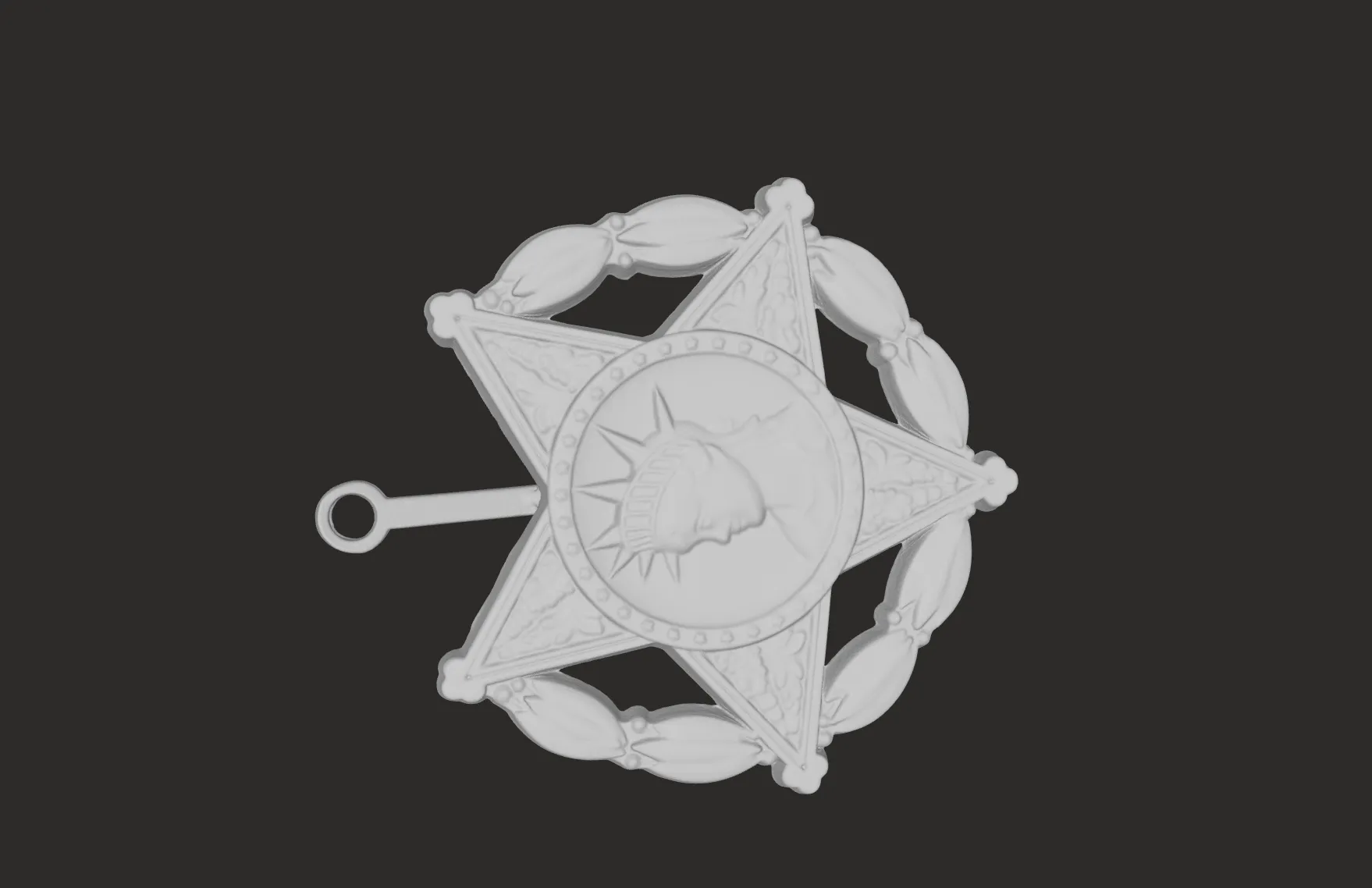
The most common starting point is systematic digitization of a collection: pottery, sculpture, tools, manuscripts, textiles, and decorative objects captured one by one into a searchable digital archive. Beyond preservation, these models unlock public access. A digitized collection can be published online, embedded in interactive exhibits, used to drive accessible tactile reproductions for visitors who are blind or low-vision, or 3D-printed as a handling replica so the original stays behind glass.
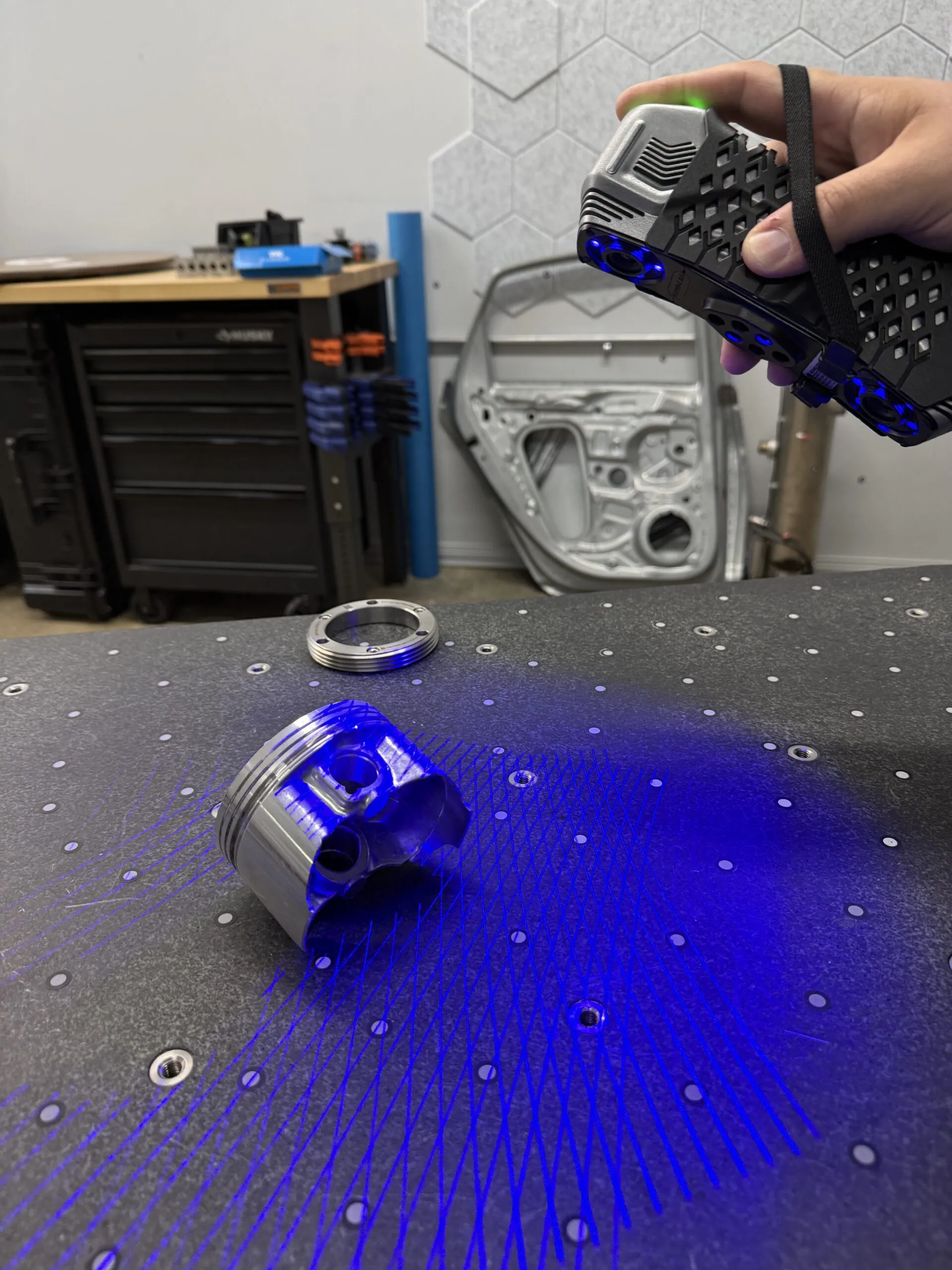
For artifacts, color and surface detail matter as much as shape. A handheld system that captures full-color texture alongside geometry (such as the Artec Eva for mid-sized objects or the Artec Spider II for small, intricate pieces) produces a model faithful enough for both scholarly study and public display.
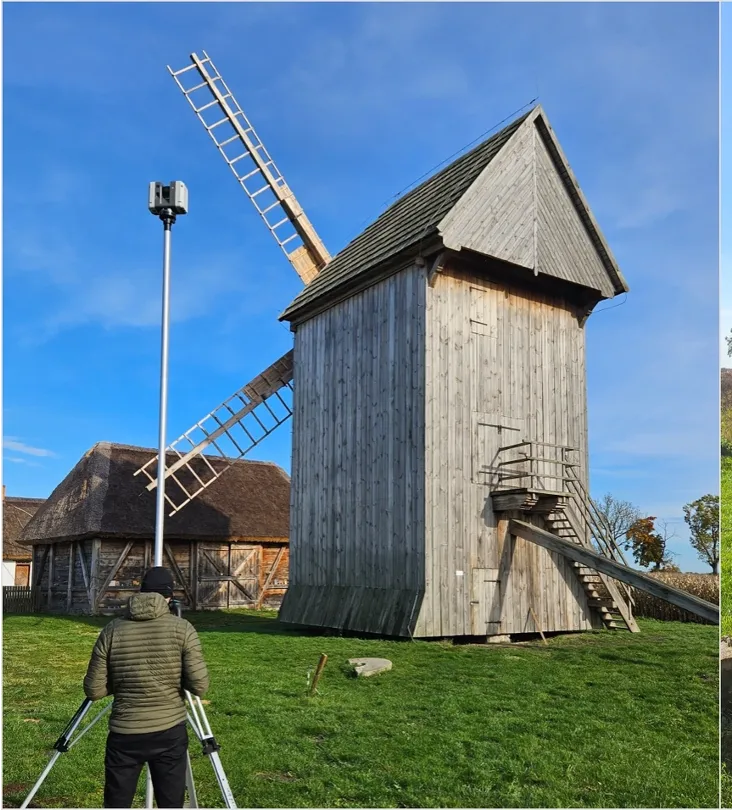
Buildings, statues, ruins, and rock art operate at a different scale entirely. Documenting a monument means capturing its full geometry, recording structural deformation and weathering for conservation planning, and producing as-built records that no historic structure was ever designed with. Here the tool changes: a long-range LiDAR scanner like the Artec Ray II can capture large structures from a distance with millimeter-level accuracy across tens of meters, building a comprehensive model from multiple scan positions.
The resulting datasets feed restoration planning, structural monitoring, virtual reconstruction of damaged sections, and detailed records that guide repair without guesswork. For complex sites, long-range scanning is often combined with handheld capture of ornamentation and inscriptions, merging coarse structural data with fine surface detail in a single coordinated model.
Excavation is destructive by nature. Once a layer is removed, it is gone. 3D scanning lets archaeologists document each stage of a dig in three dimensions before they proceed, preserving spatial relationships between features and finds that a photograph and a site notebook cannot fully record. Trenches, stratigraphy, in-situ artifacts, and entire site surfaces can be captured, georeferenced, and revisited digitally long after the soil has been disturbed.
When an object arrives broken, fragmented, or partially missing, 3D scanning becomes the foundation for digital reconstruction. Each fragment is scanned, then virtually reassembled, testing fits without stressing fragile edges. Missing sections can be reconstructed from symmetry, comparable objects, or historical references, and the completed digital model can drive a physical replica or fill piece via 3D printing or CNC machining. This same scan-to-model workflow underpins our reverse engineering services, where geometry is rebuilt into editable surfaces and solids.
For conservation teams that need clean, editable CAD geometry from a scan (for example to mill a precise mount, cradle, or replacement element), software like Geomagic Design X converts raw scan meshes into parametric models suitable for fabrication, while keeping the original archival scan untouched.
No single scanner is right for every heritage subject. The decisive variables are object size, required resolution, fragility and mobility, and whether faithful color capture is essential. The table below maps common heritage subjects to the appropriate class of system.
Subject Recommended scanner type Typical resolution Why Coins, jewelry, small carvings High-resolution handheld (e.g. Artec Spider II) ~0.05–0.1 mm Fine detail on tiny features; full-color texture Pottery, sculpture, tools, mid-size objects Color handheld (e.g. Artec Eva / Leo) ~0.2–0.5 mm Fast, portable, accurate color and geometry Statues, large reliefs, furniture Wireless handheld (e.g. Artec Leo) ~0.2 mm Untethered capture around large, immovable pieces Buildings, ruins, monuments, sites Long-range LiDAR (e.g. Artec Ray II) ~1–3 mm at range Captures large structures from a distanceFor artifacts that can be brought to a table or scanned in storage, a portable handheld 3D scanner is almost always the right tool. These systems are lightweight, capture geometry and color simultaneously, and let the operator move freely around an object without ever touching it. The Artec family of scanners is widely used in museums precisely because it balances resolution, speed, and color fidelity: the Spider II for small high-detail pieces, the Eva for general collections, and the wireless Leo for larger objects that can’t be turned on a stand.
Fragility shapes workflow as much as resolution. Because these scanners are non-contact, an operator can document a flaking, brittle, or unstable object that no one is permitted to handle, working at a comfortable standoff distance under safe light. For institutions that prefer not to build an in-house program, our on-site and in-lab scanning services bring this capability to the collection.
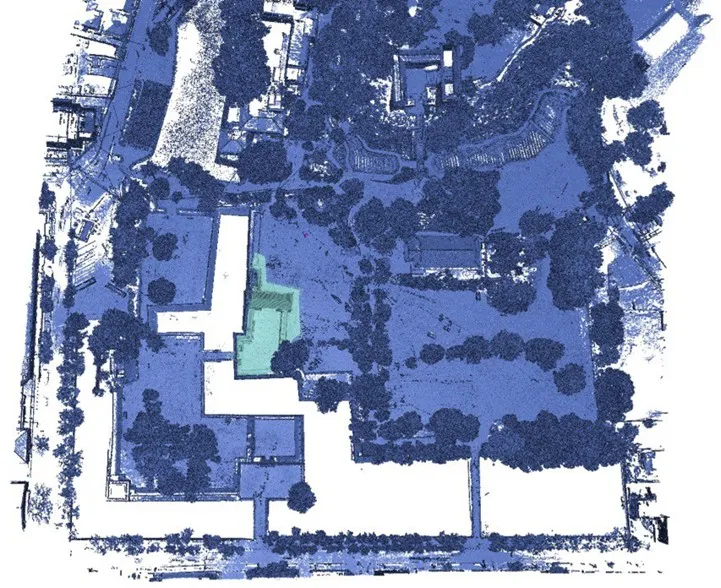
When the subject is a building, a standing ruin, an excavation trench, or a rock-art panel on a cliff face, handheld capture alone is impractical. Long-range scanners measure thousands to millions of points across distances of tens of meters, building a complete model from several setups around the subject. A LiDAR system such as the Artec Ray II delivers high accuracy at range while remaining portable enough for field deployment.
In practice, the strongest monument records are hybrid: long-range scanning establishes the overall structure and dimensions, and a handheld scanner adds high-resolution detail to inscriptions, carvings, and ornament. The two datasets are aligned and merged so the final archive carries both site-scale accuracy and close-up fidelity.
For heritage subjects, geometry is only half the record. The color of a fresco, the patina on bronze, the tool marks on carved stone, and the wear patterns on a handled object are all part of what makes the piece meaningful, and all need to be captured faithfully.
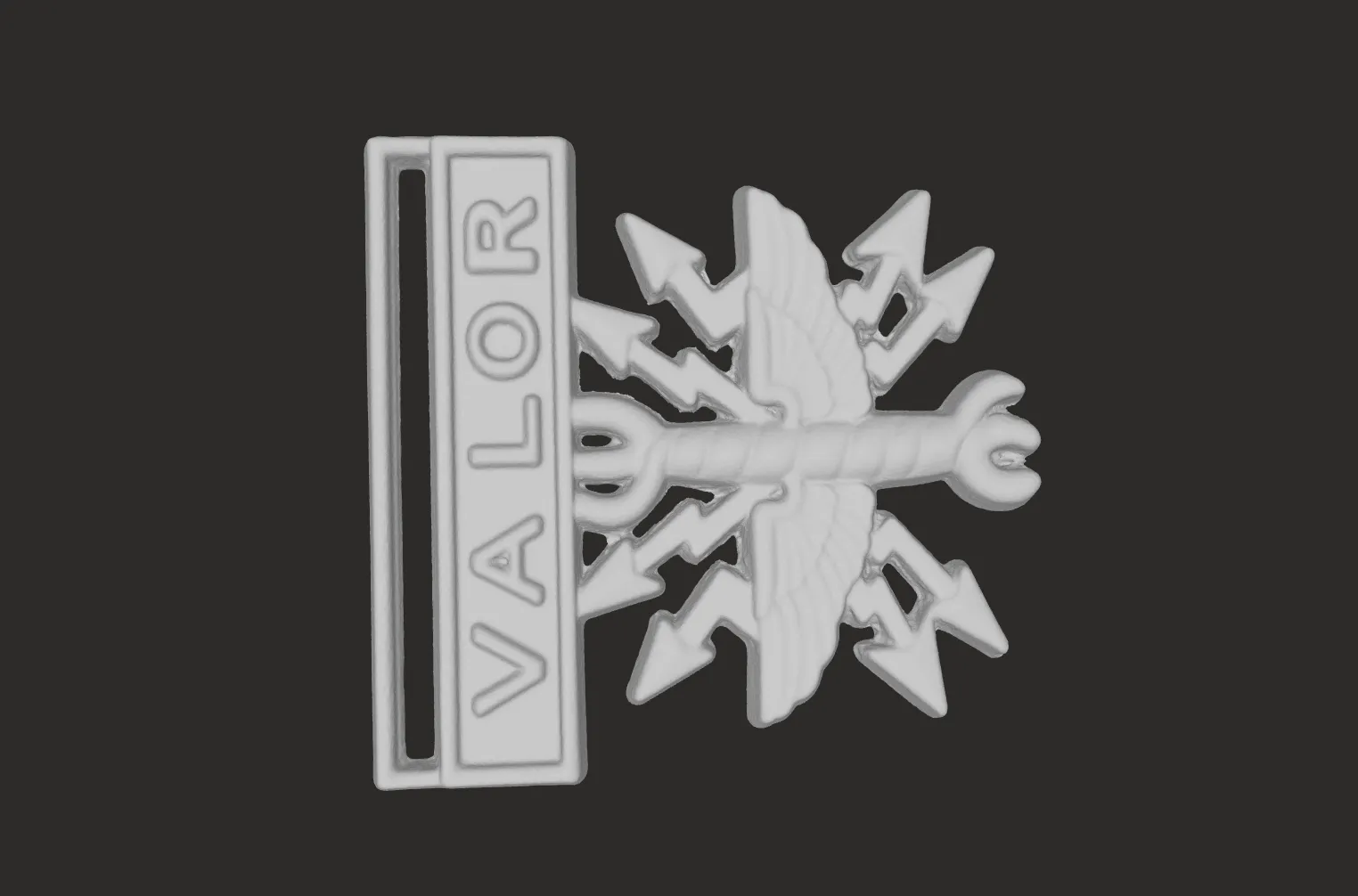
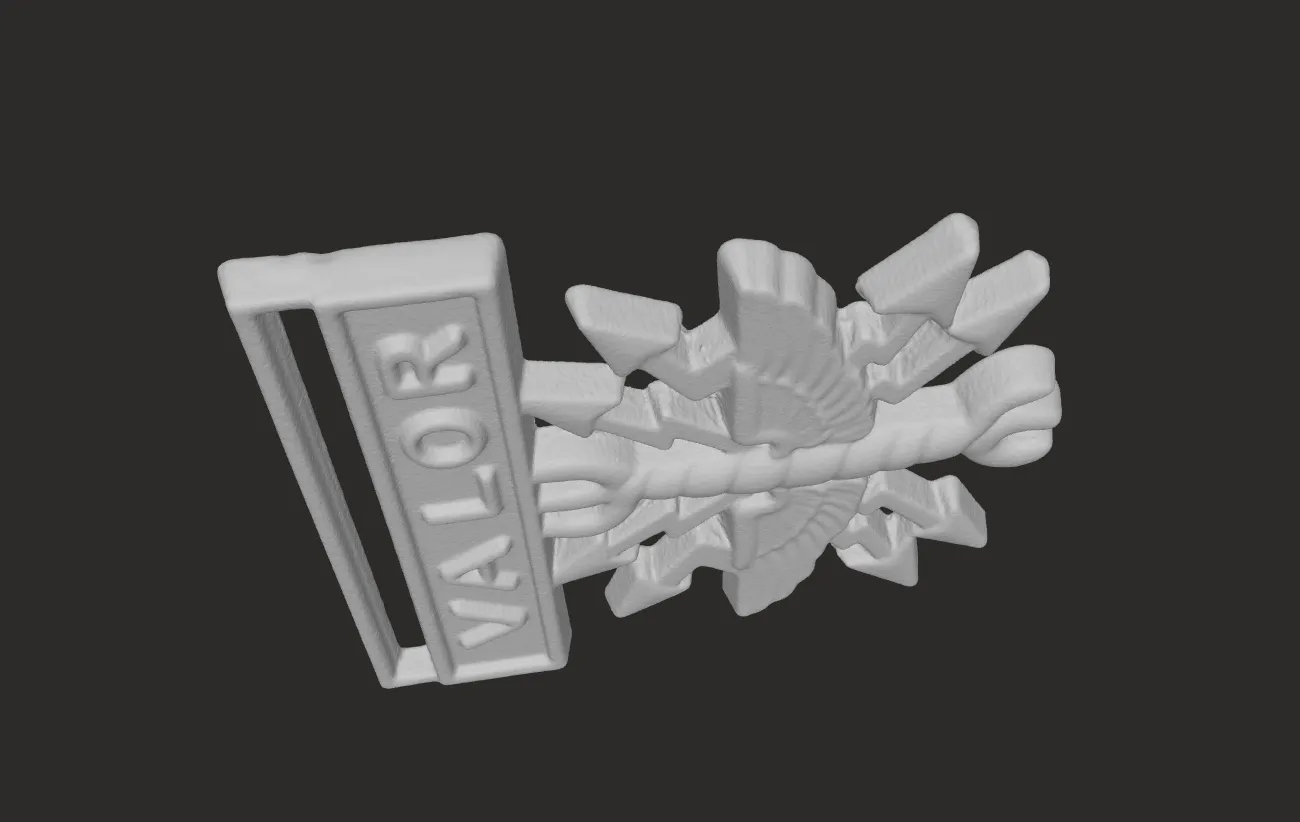
The single most important property of 3D scanning for heritage work is that it is non-contact. Optical scanners measure a surface using structured light or laser without physical probes touching it, so the digitization process introduces no abrasion, pressure, or vibration. For objects that conservation rules forbid anyone from handling, that distinction is everything.
A few principles keep the process safe and the record trustworthy:
Because nothing touches the subject, scanning can even be performed in situ (in a gallery, a storage vault, or out in the field) rather than transporting irreplaceable objects to a lab.
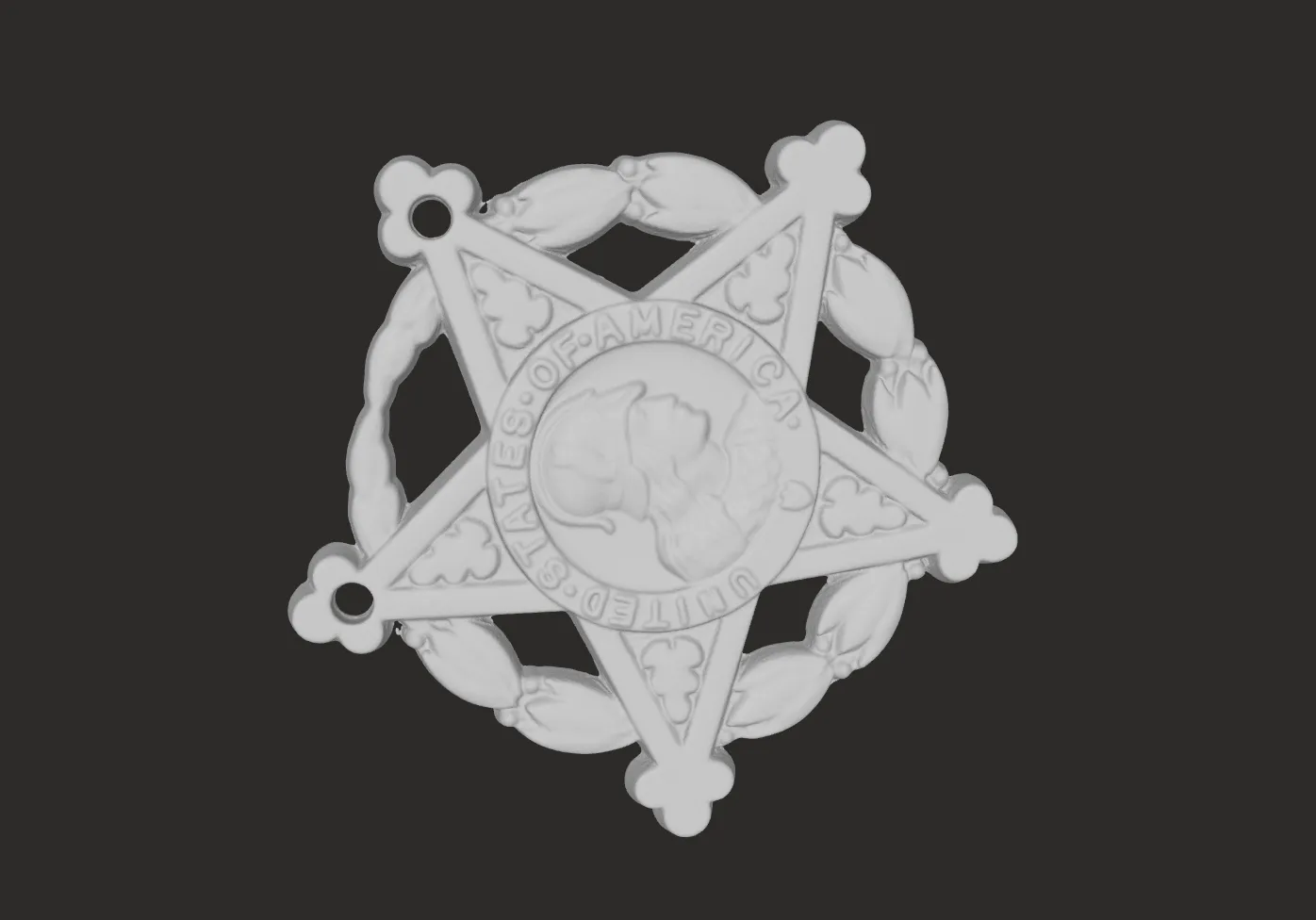
A scan is only as valuable as its long-term accessibility. Heritage archives are meant to outlive software, hardware, and staff turnover, so format choices should favor open, well-documented, and widely supported standards over proprietary formats that may become unreadable.
Data type Recommended formats Use Raw point cloud E57, PLY, LAS/LAZ Archival master; preserves full measured data Polygon mesh PLY, OBJ, STL Geometry; OBJ/PLY retain color and texture Color/texture OBJ + MTL, glTF/GLB Full-color models, web and AR delivery CAD / fabrication STEP, IGES Editable geometry for replicas and mountsGood archival practice goes beyond picking a file extension. Adopt these habits to keep a digital collection usable for decades:
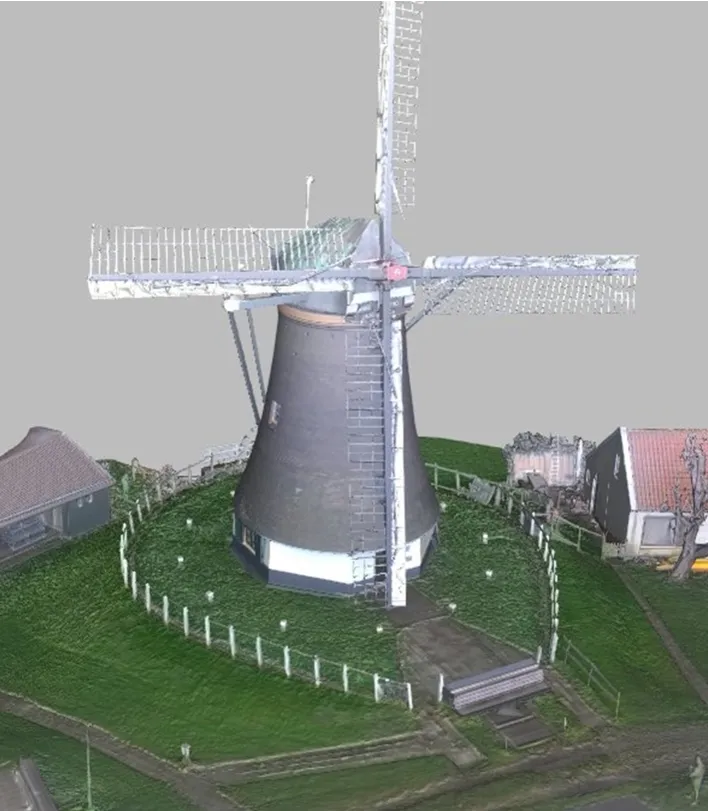
Heritage digitization is one of the better-funded corners of cultural work, because grantmakers recognize that a scan made today protects an irreplaceable object indefinitely. While specific programs and eligibility change year to year, several established funding categories regularly support 3D scanning projects, and it is worth confirming current details directly with each body before applying.
A strong proposal frames scanning not as a one-time deliverable but as an enduring asset: a permanent record, a research and education resource, and a safeguard against loss. Concrete specifications (scanner class, target resolution, file formats, and archive plan) make a budget credible to reviewers, which is exactly where an experienced scanning partner can strengthen an application.
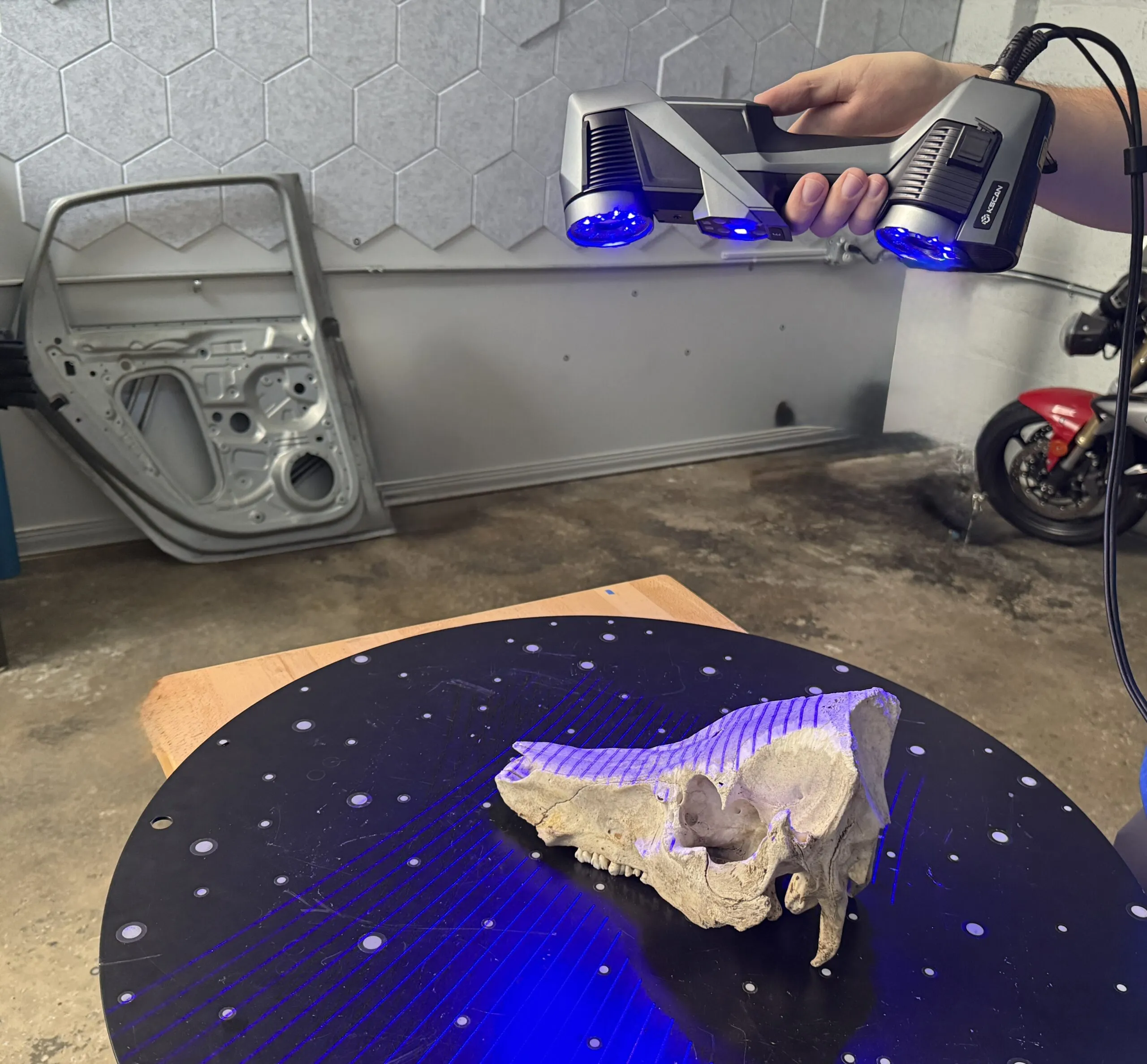
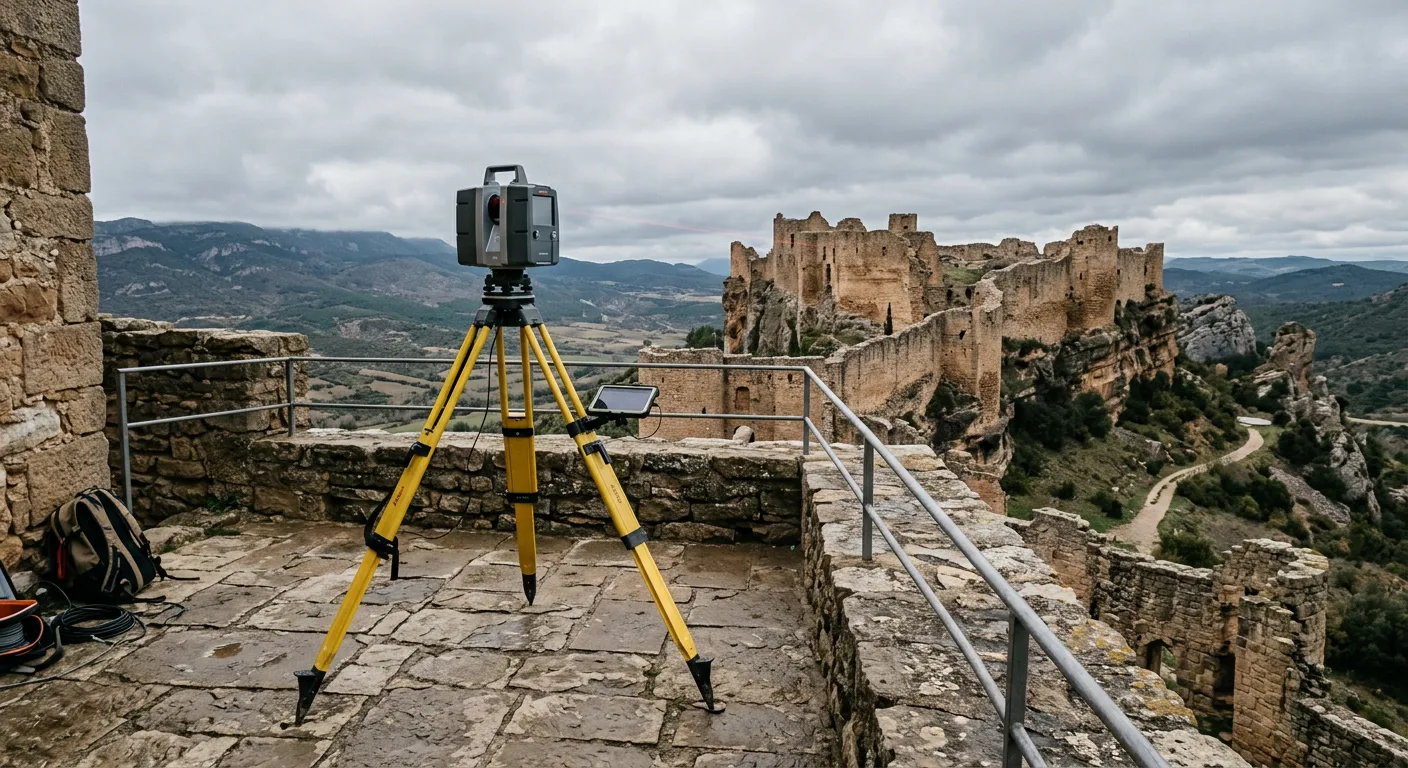
Across the sector, 3D scanning now supports a recognizable set of project types. Without naming specific institutions, the patterns below reflect how museums, conservators, and archaeology programs commonly apply the technology:
What these projects share is a workflow: non-contact capture at an appropriate scale, faithful color and texture, conversion to archival and, where needed, editable formats, and a long-term plan for storage and access. Get those fundamentals right, and a single scanning effort serves preservation, research, and public engagement at once.
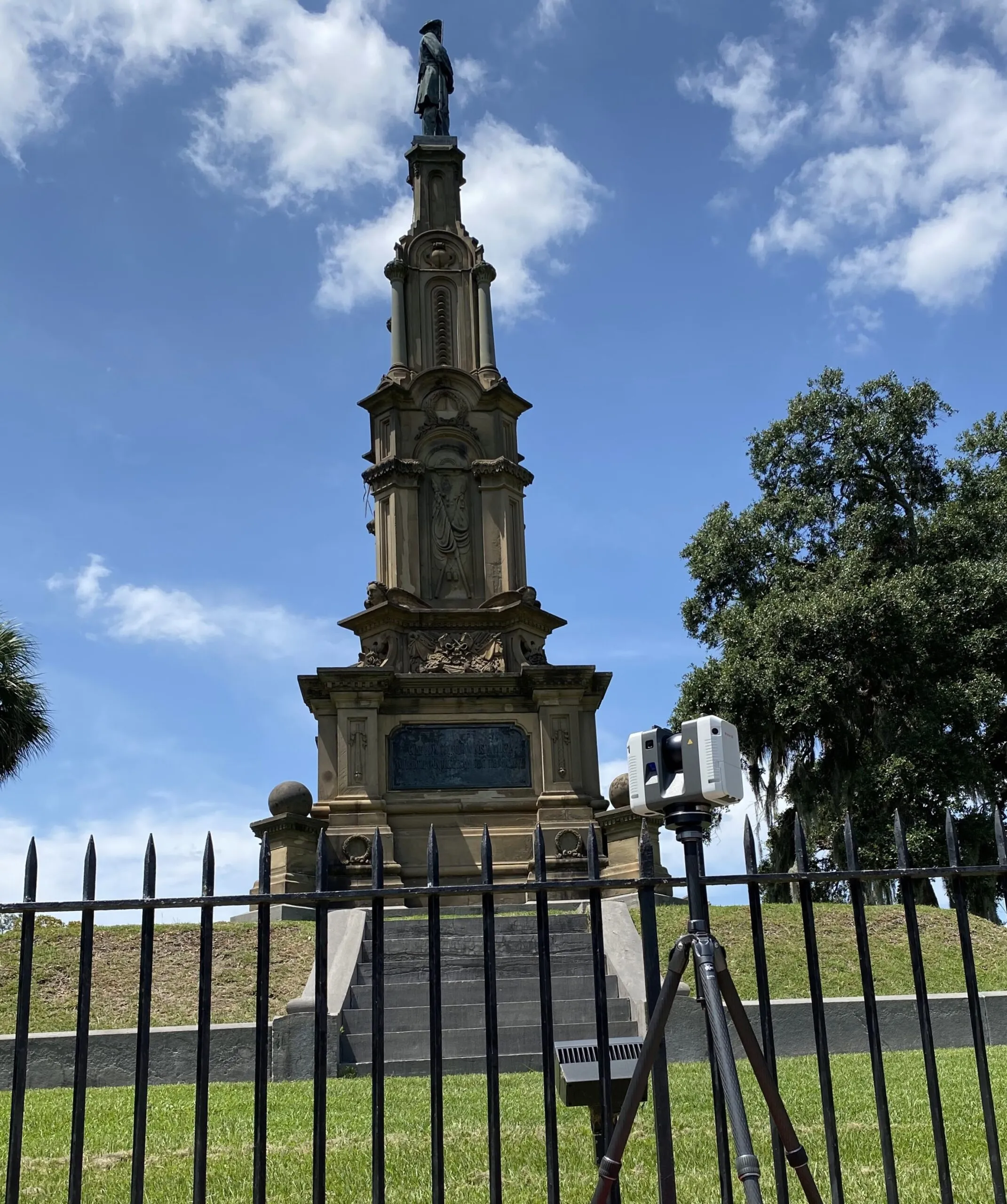
Heritage preservation rewards getting the technical details right: the correct scanner for the object’s scale, faithful color capture, clean archival files, and a workflow that never puts the original at risk. At Digitize Designs, our engineers work across exactly that range of equipment, from the Artec Spider II for small, intricate artifacts to long-range LiDAR systems for monuments and sites, and we provide 3D scanning services for institutions that prefer expert capture over building an in-house program. When a project calls for editable geometry, whether replicas, mounts, or digital reconstruction, our reverse engineering and CAD services turn scans into fabrication-ready models.
Whether you are a museum digitizing a collection, a conservator documenting a fragile object, or a university department planning fieldwork, we can help you choose the right system, scope a grant-ready specification, and establish an archive that lasts. Contact us to discuss your heritage preservation project or request a consultation.
You have a part on the bench and no drawing for it. Or you have the drawing, and now you
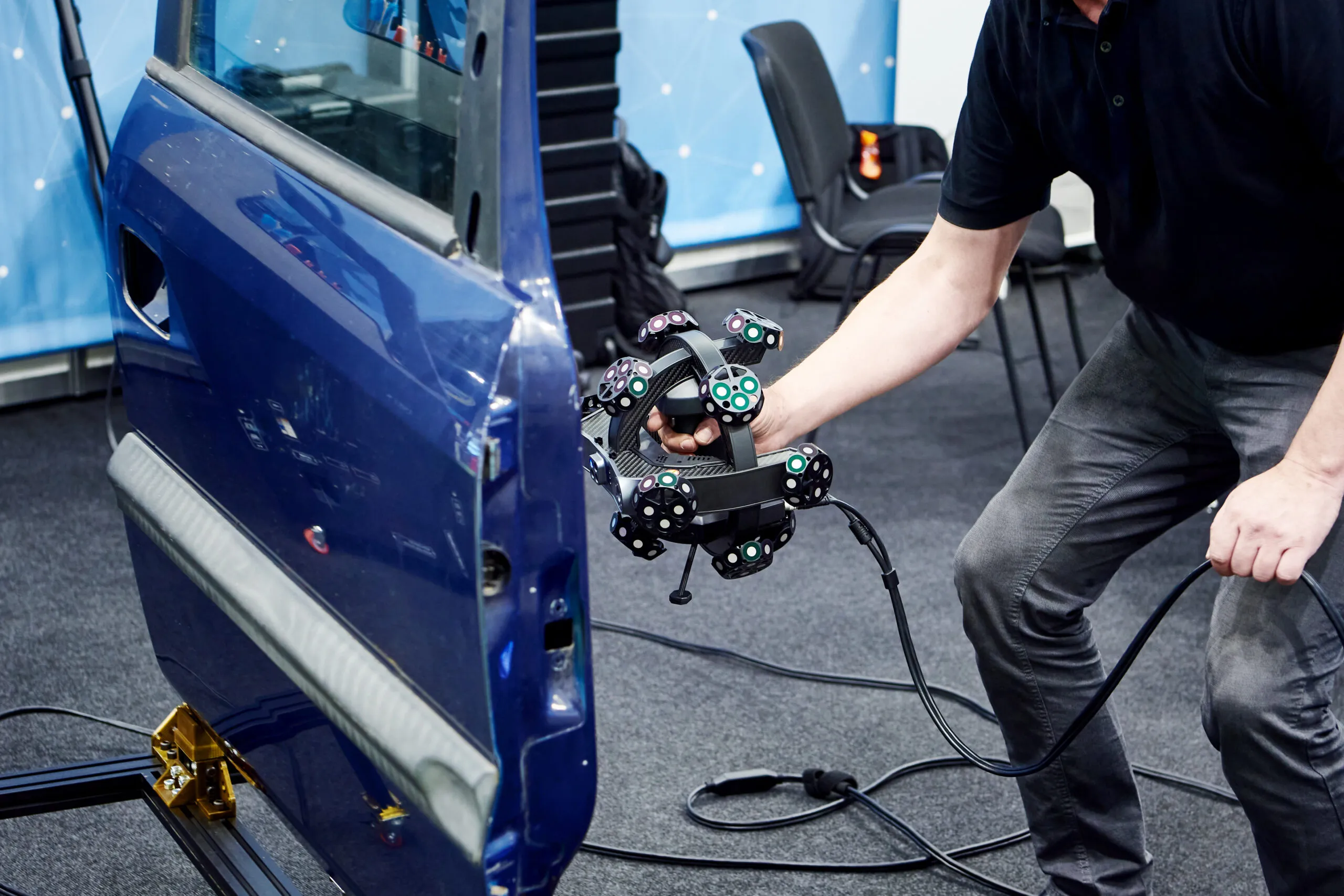
A fender comes off the press and something is off. The hole pattern checks out on the CMM and every
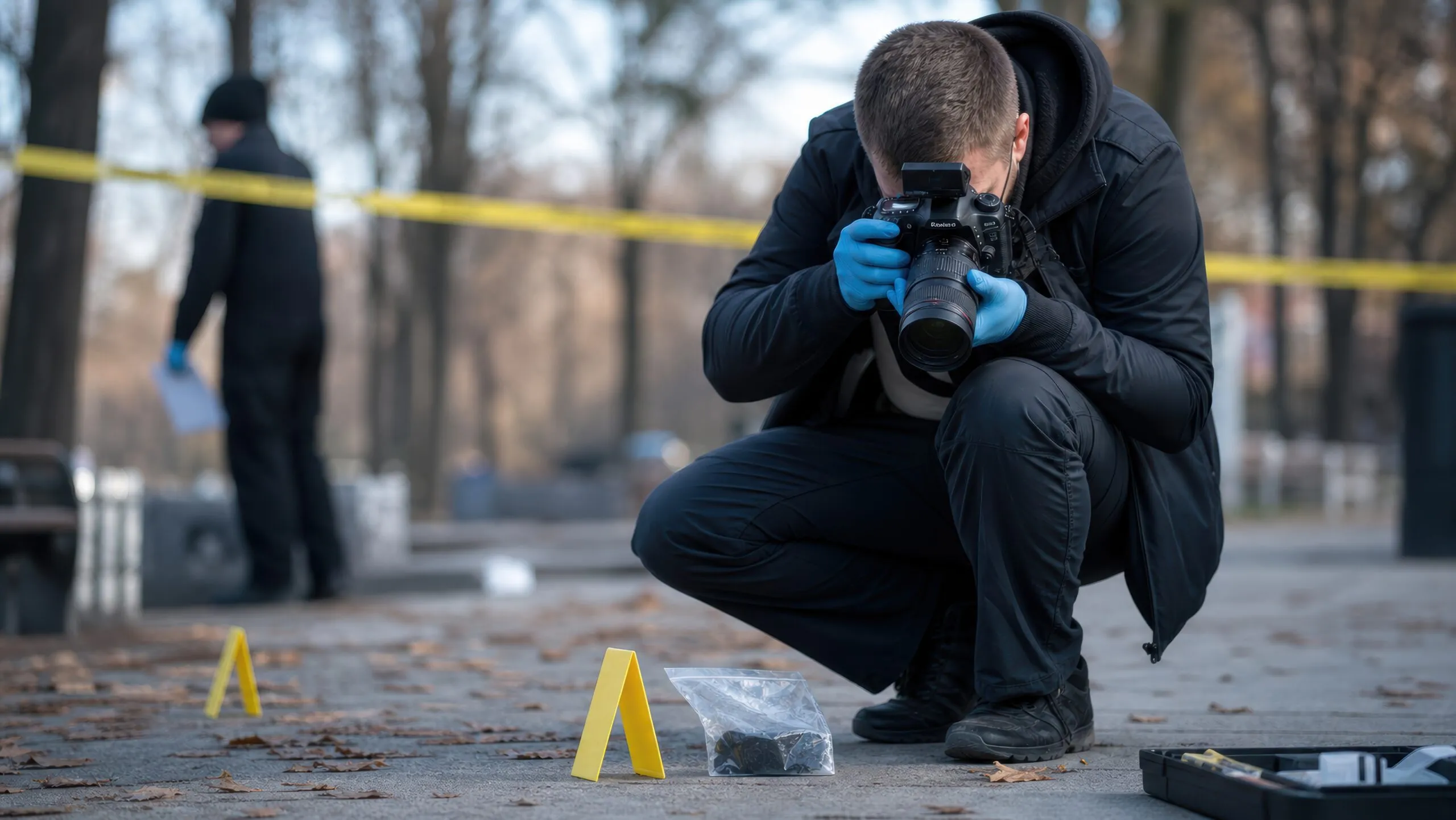
For most of the twentieth century, a crime scene was preserved with a tape measure, a roll of film, and
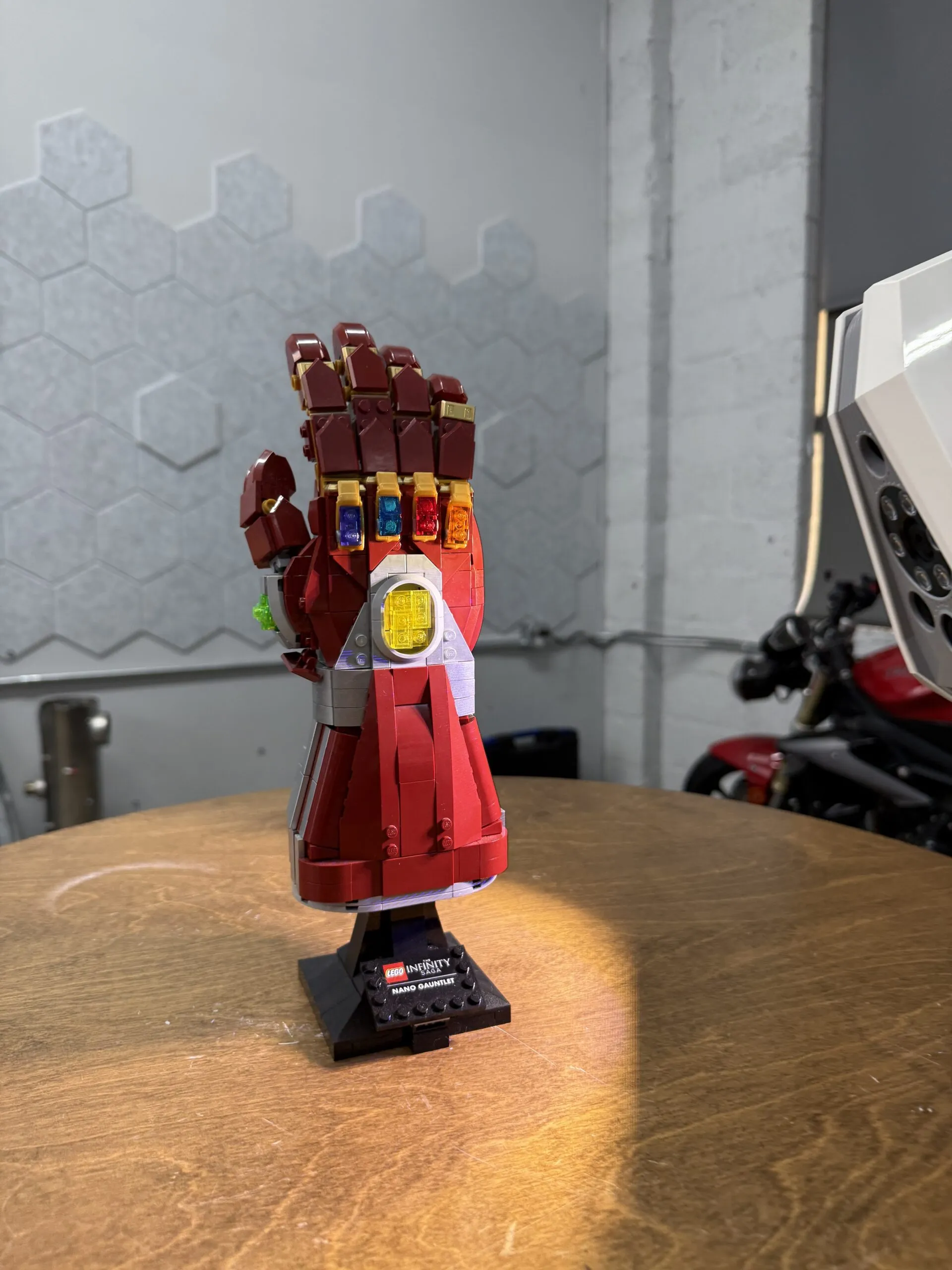
If you have ever searched for a way to turn a physical object into a digital model, you have probably