Categories

Brands

Scanner Type

Applications

Industries

Handheld 3D Scanners

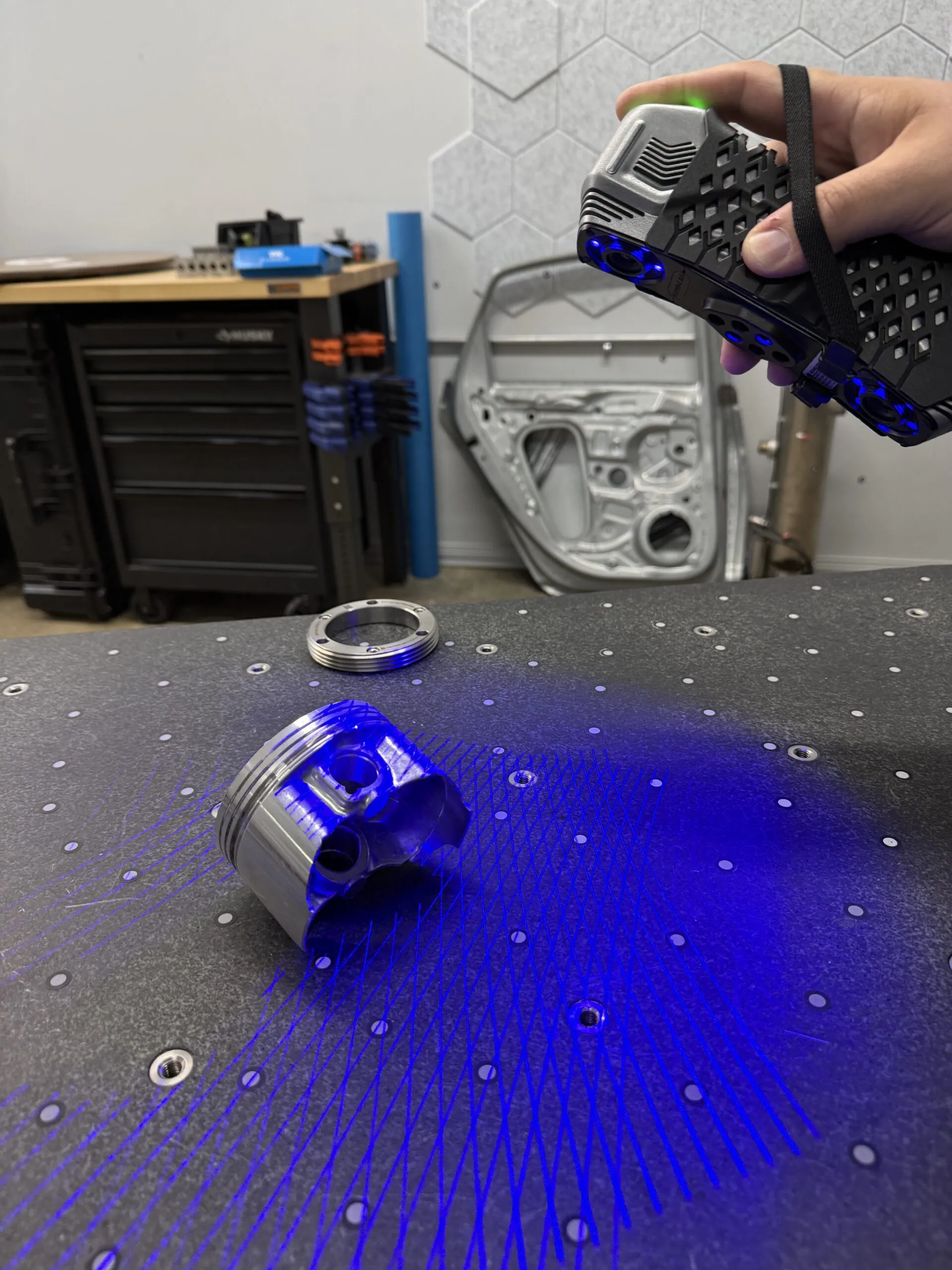
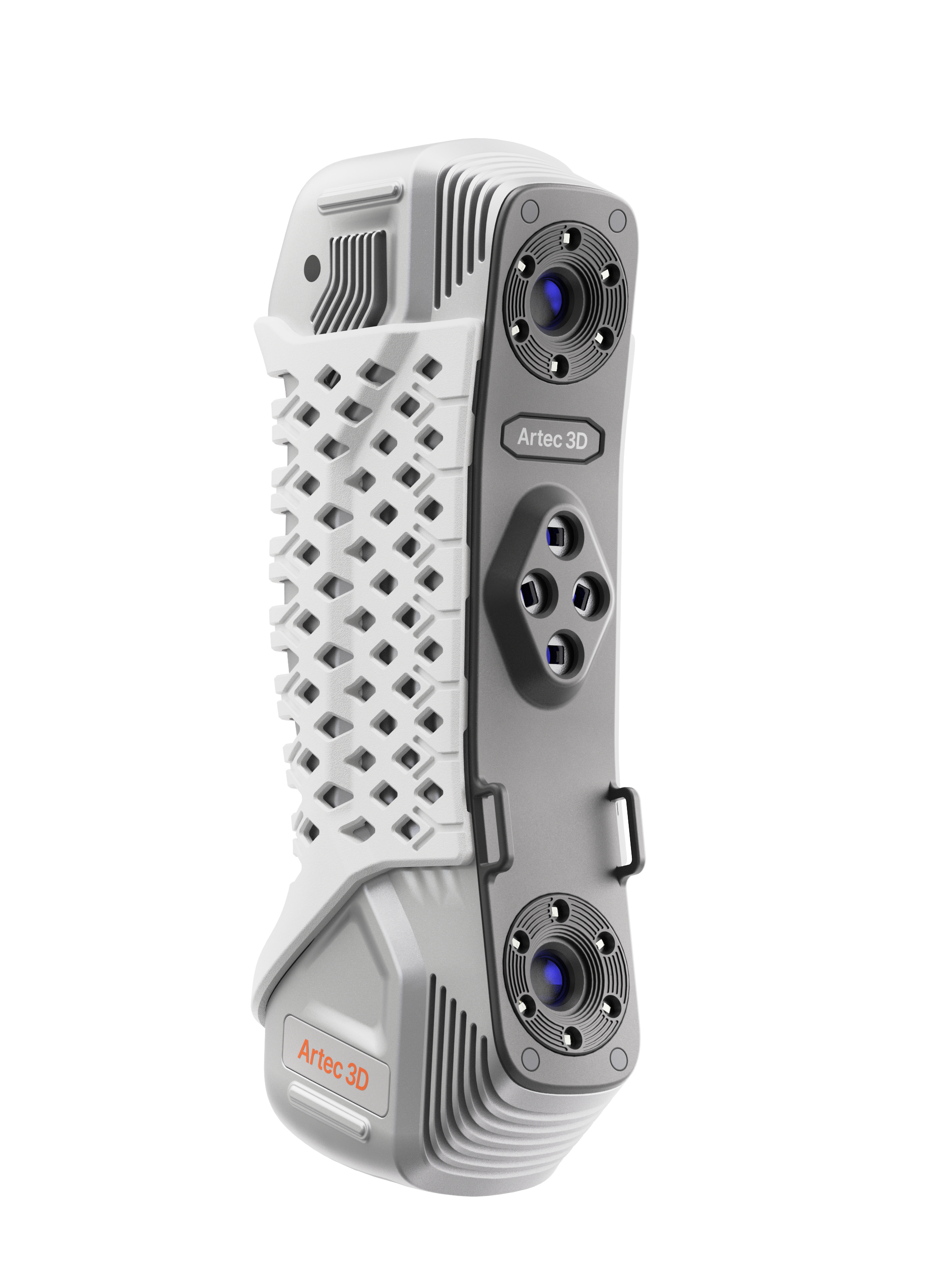
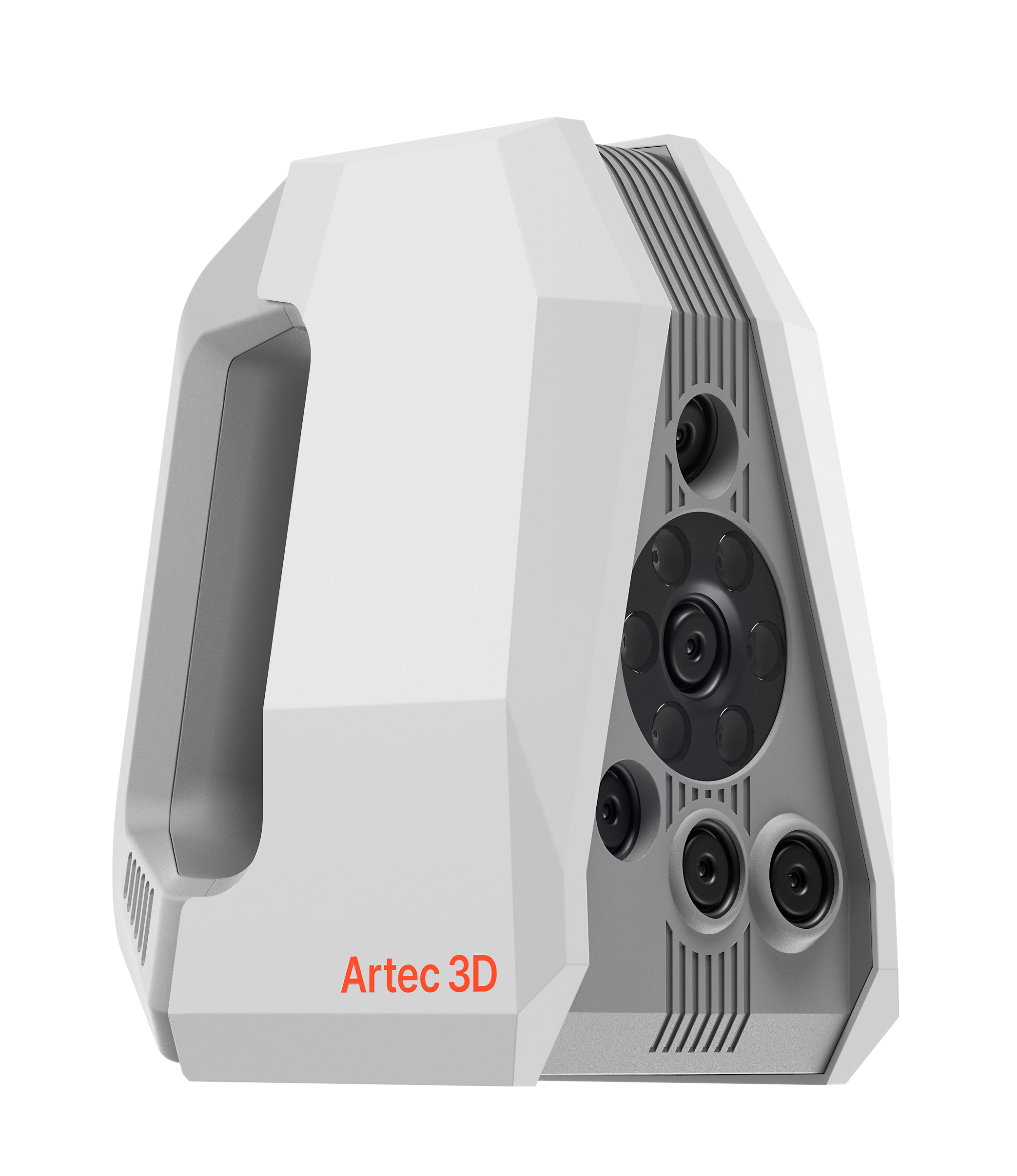
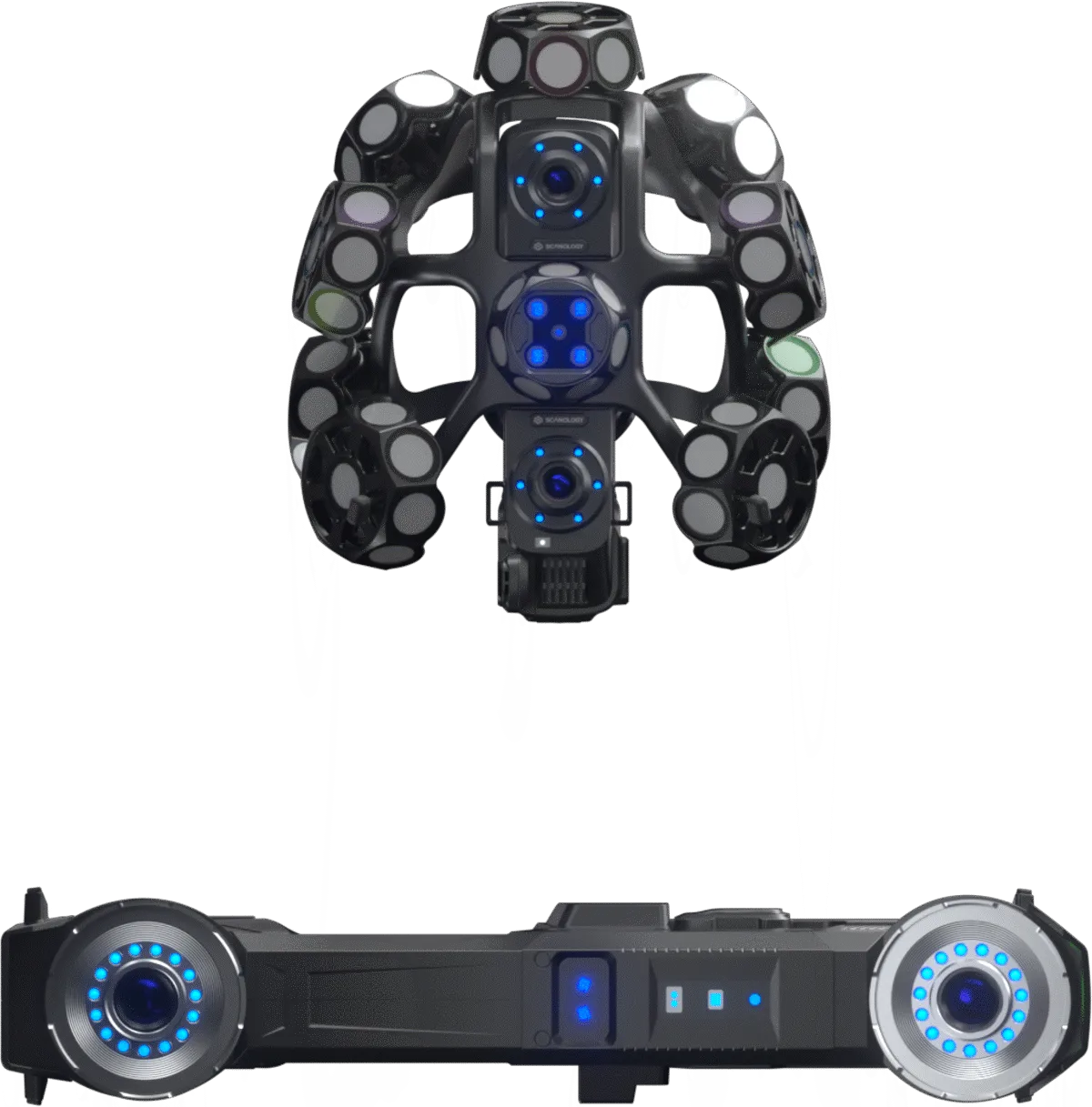
A handheld 3D scanner captures a part’s shape as you move it around the object, in the lab, on the shop floor or in the field. We carry Artec and SCANOLOGY (formerly SCANTECH) models, from the entry-level Artec Eva to metrology-grade systems with an optical tracker.

Most are wireless, and the Artec Leo runs standalone with no laptop. Artec models show their price; SCANOLOGY systems are quoted for your configuration.

Prices, accuracy and how to choose: see the buying guide below.

Handheld 3D Scanner Buying Guide

We list prices for our Artec scanners. SCANOLOGY systems are quoted, because the price depends on the configuration (scanner, tracker and software).

Scanner Price Best for
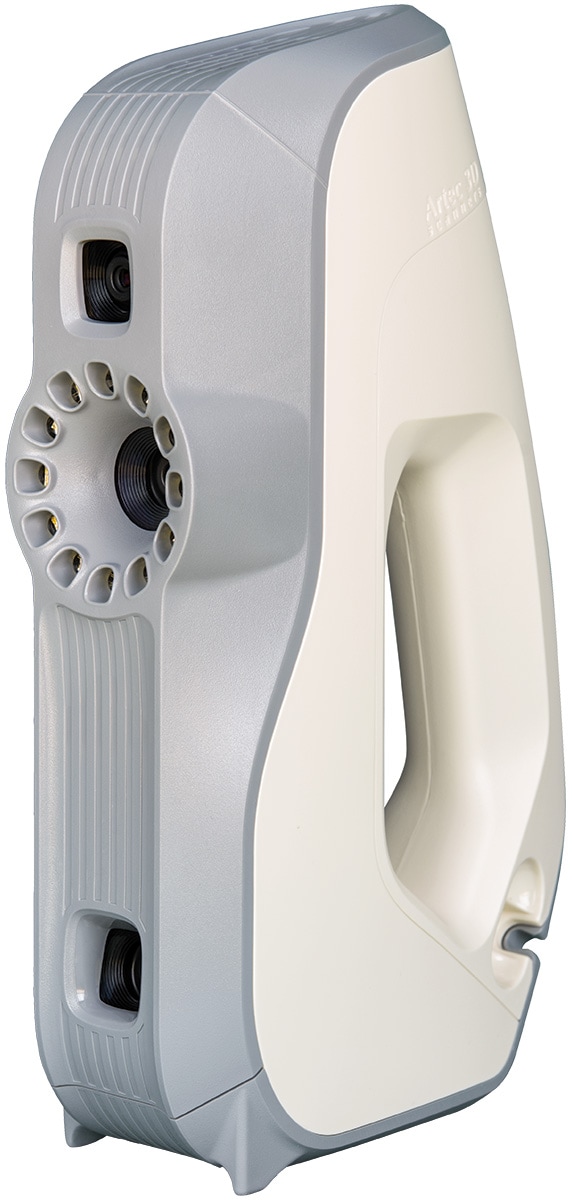
Artec Eva: $9,900 General-purpose scanning, accuracy up to 0.1 mm.
Artec Point II: $25,600 Target-based metrology, accuracy down to 0.02 mm.
Artec Spider II: $29,700 Small, detailed parts, 0.05 mm accuracy.
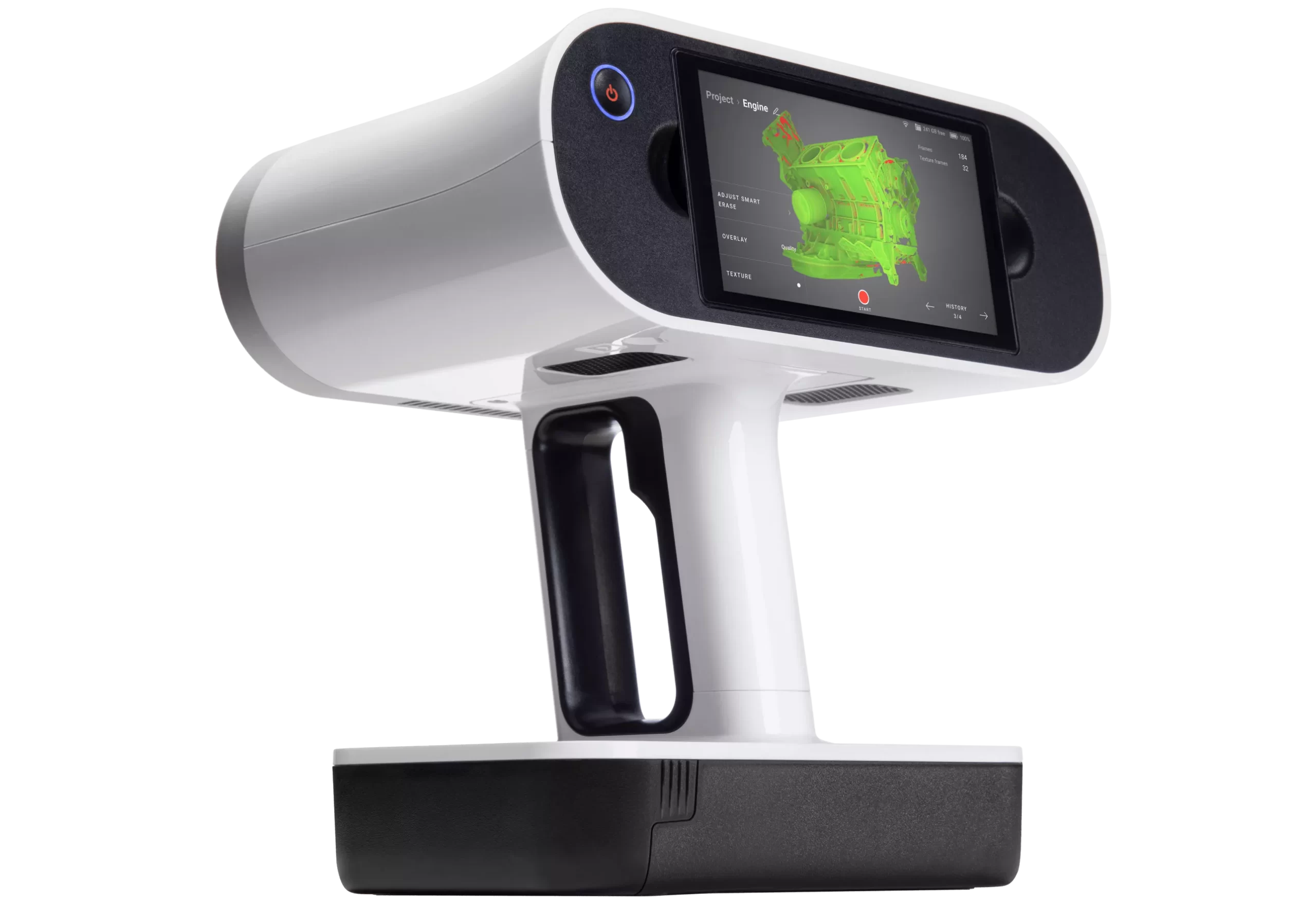
Artec Leo: $38,300 Wireless and standalone, no laptop needed.
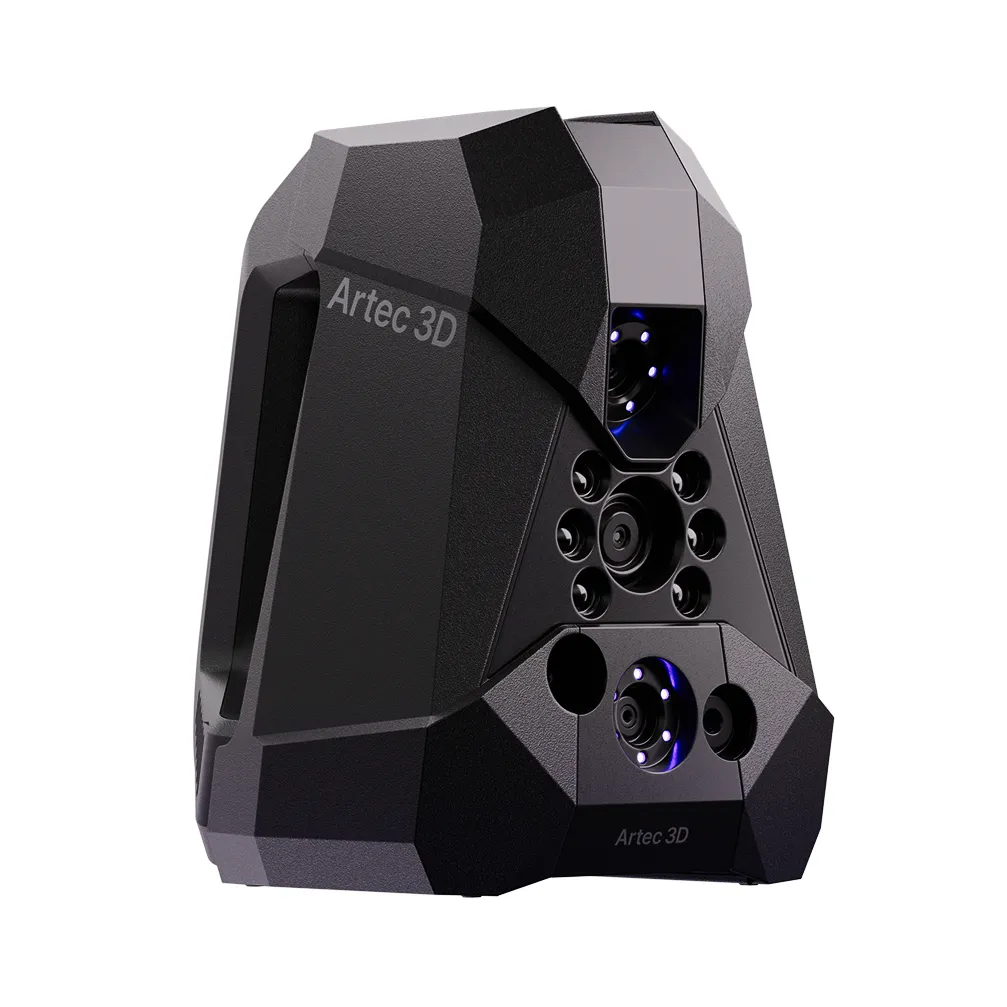
Artec Neo: $38,600 Metrology with or without targets, 0.025 mm with targets.
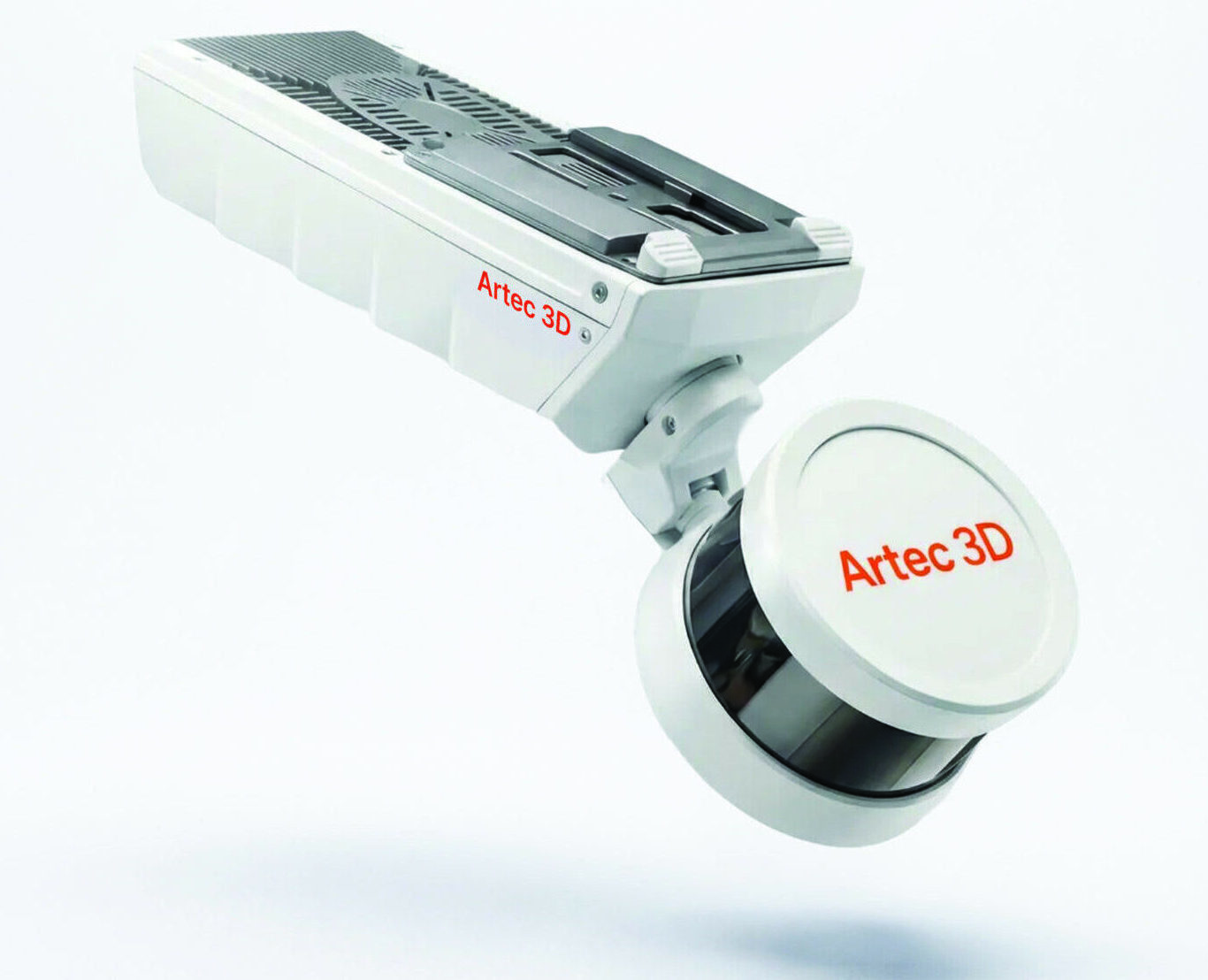
Artec Jet: $47,000 Mobile LiDAR for rooms, sites and infrastructure.
SCANOLOGY range: Quote. Request a quote for your configuration.

If you need to… Look at
Capture small, detailed parts: Artec Spider II.
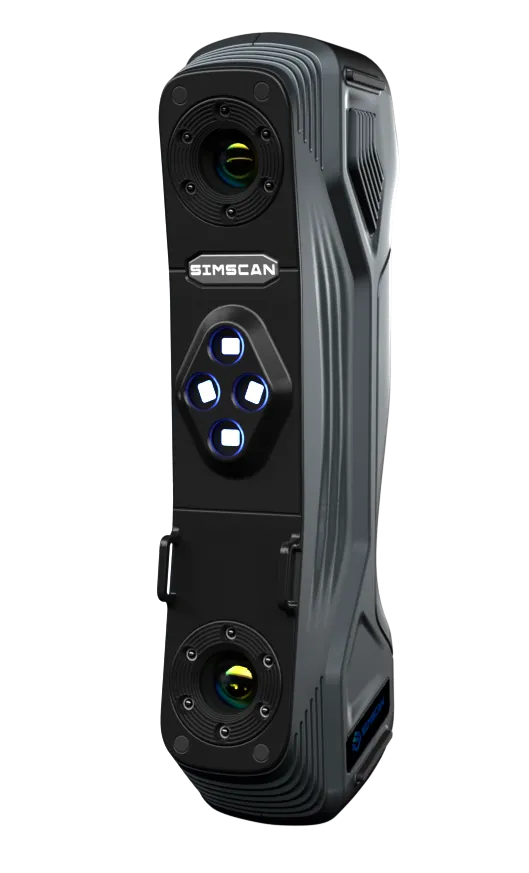
Scan in tight spaces, one-handed: SIMSCAN 42 (570 g), SIMSCAN-E (600 g), SIMSCAN-S Gen2 (560 g).
Scan anywhere without a laptop: Artec Leo.
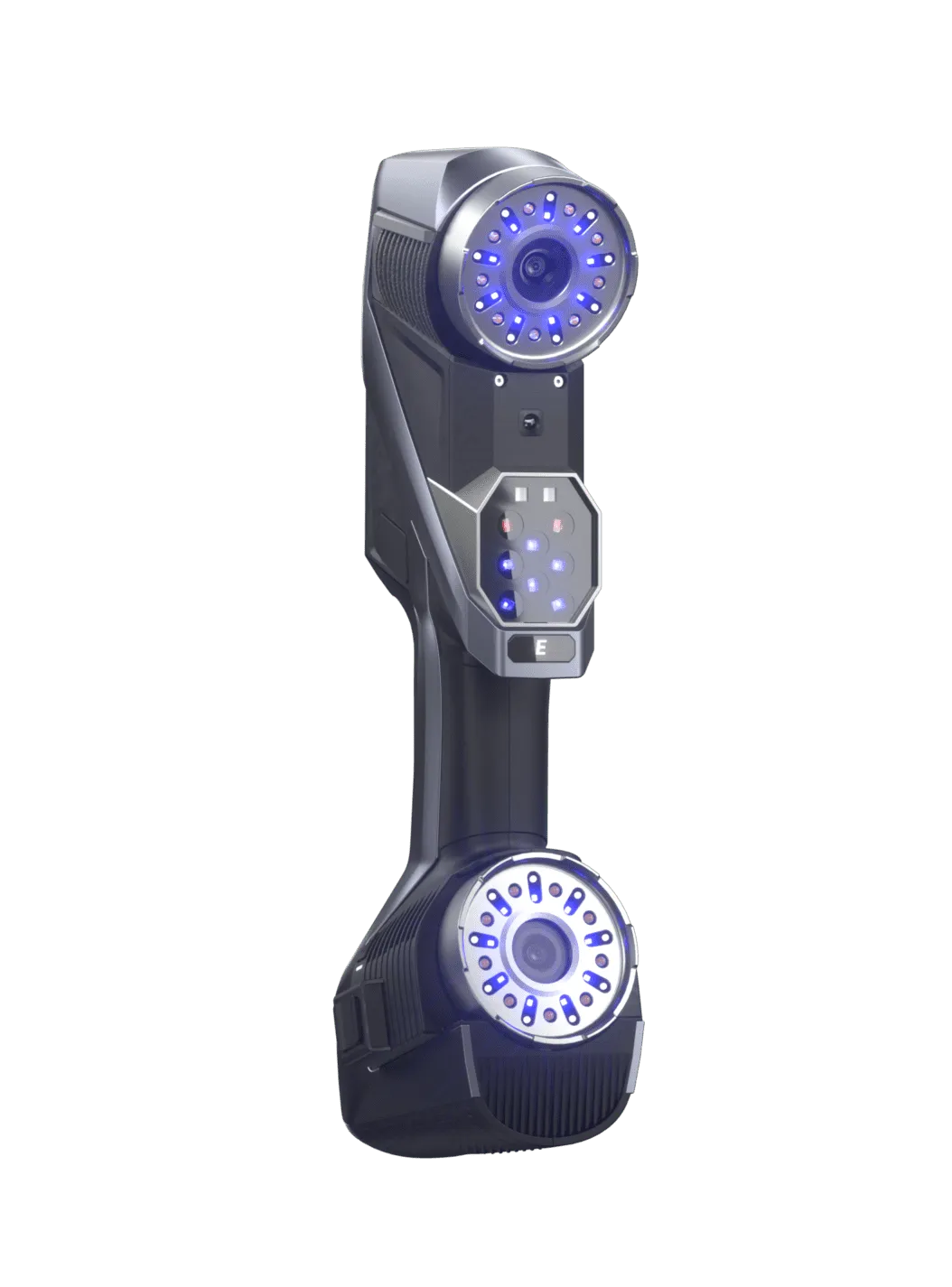
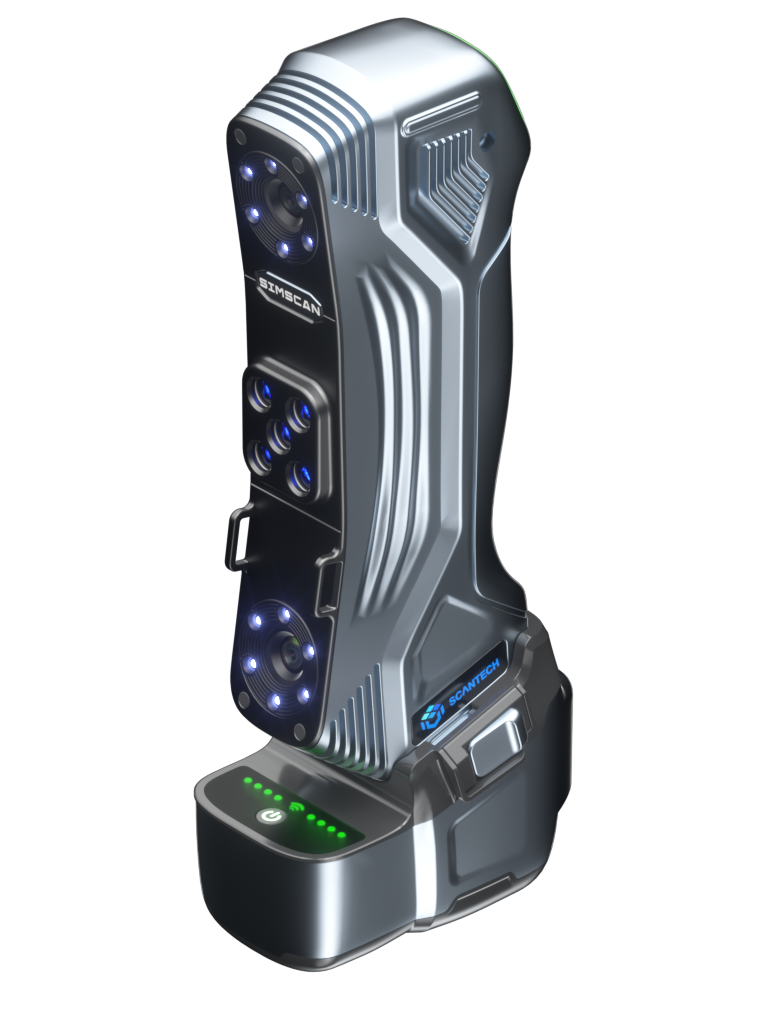
Inspect to metrology accuracy: Artec Neo, Artec Point II, SIMSCAN-S Gen2, KSCAN-E.
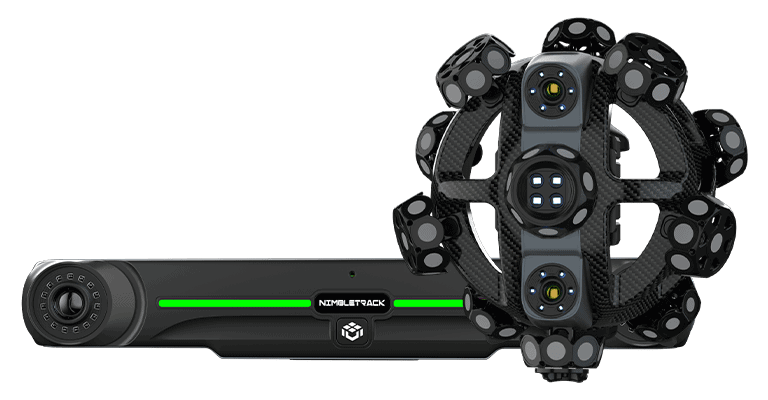
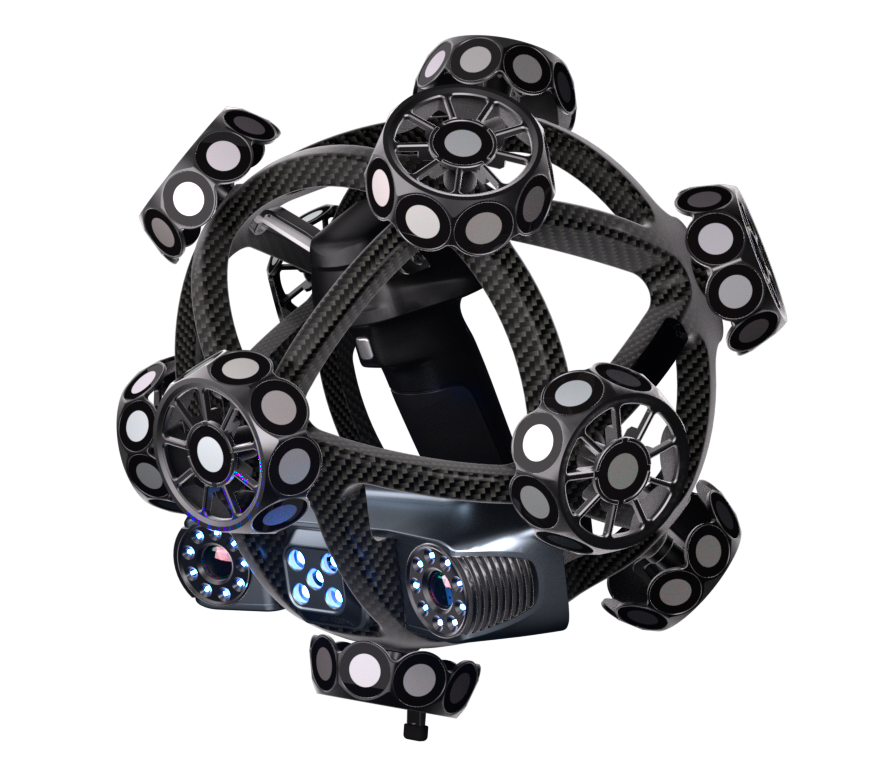
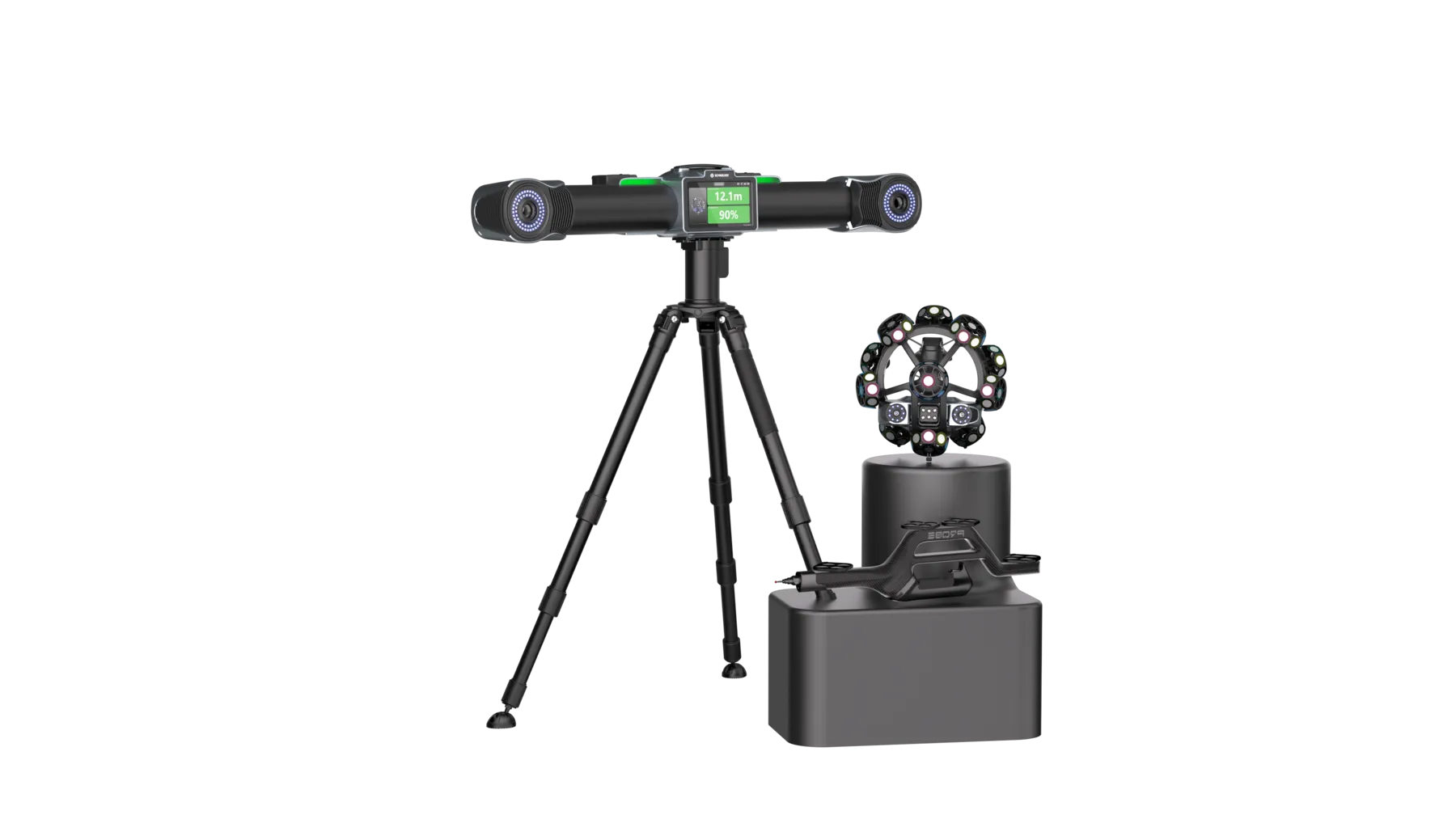
Measure large parts without targets: TrackScan Sharp-S, Sharp-Z or GO, NimbleTrack (an optical tracker follows the scanner).
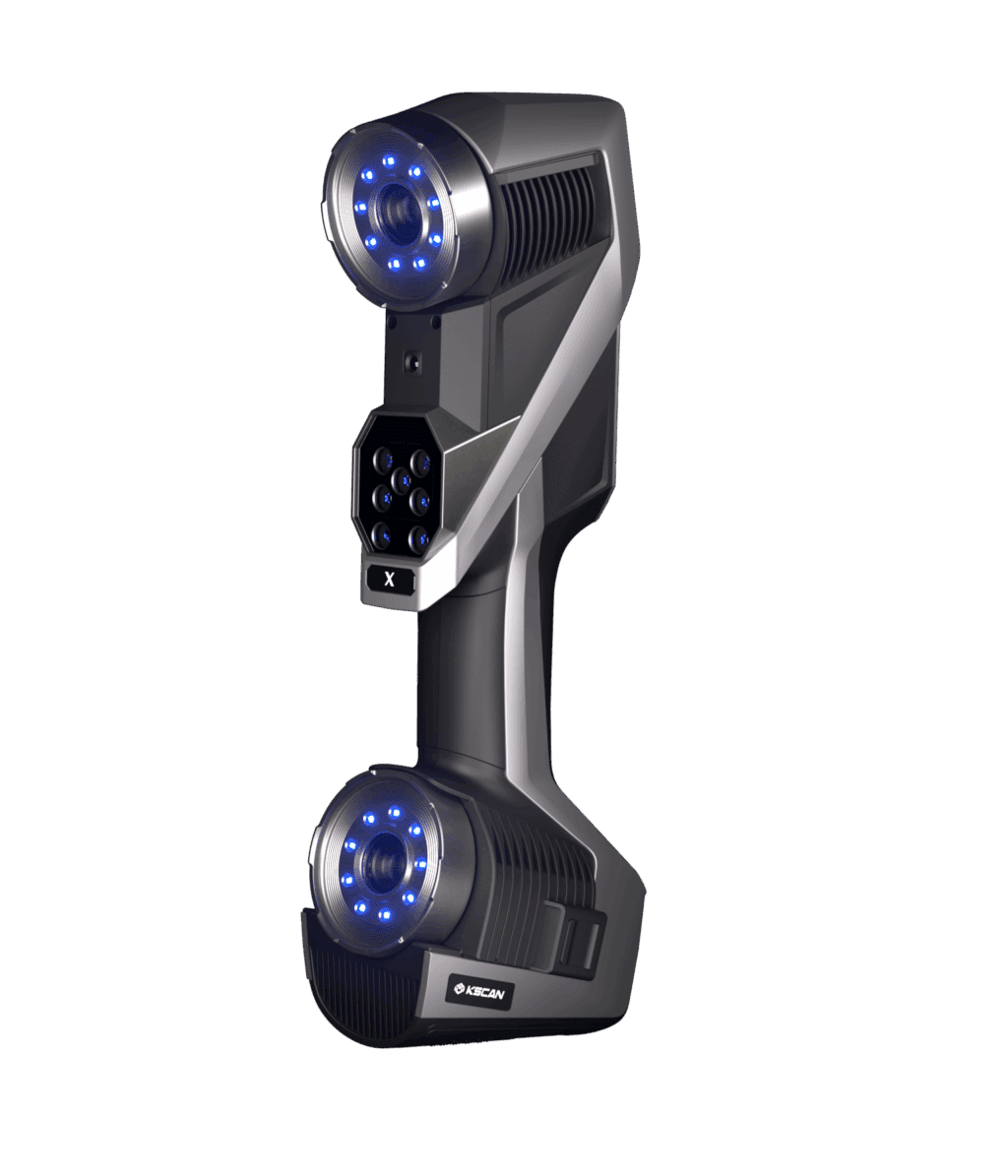
Cover very large parts fast: KSCAN-X, up to 2.6 m × 1.8 m per frame.
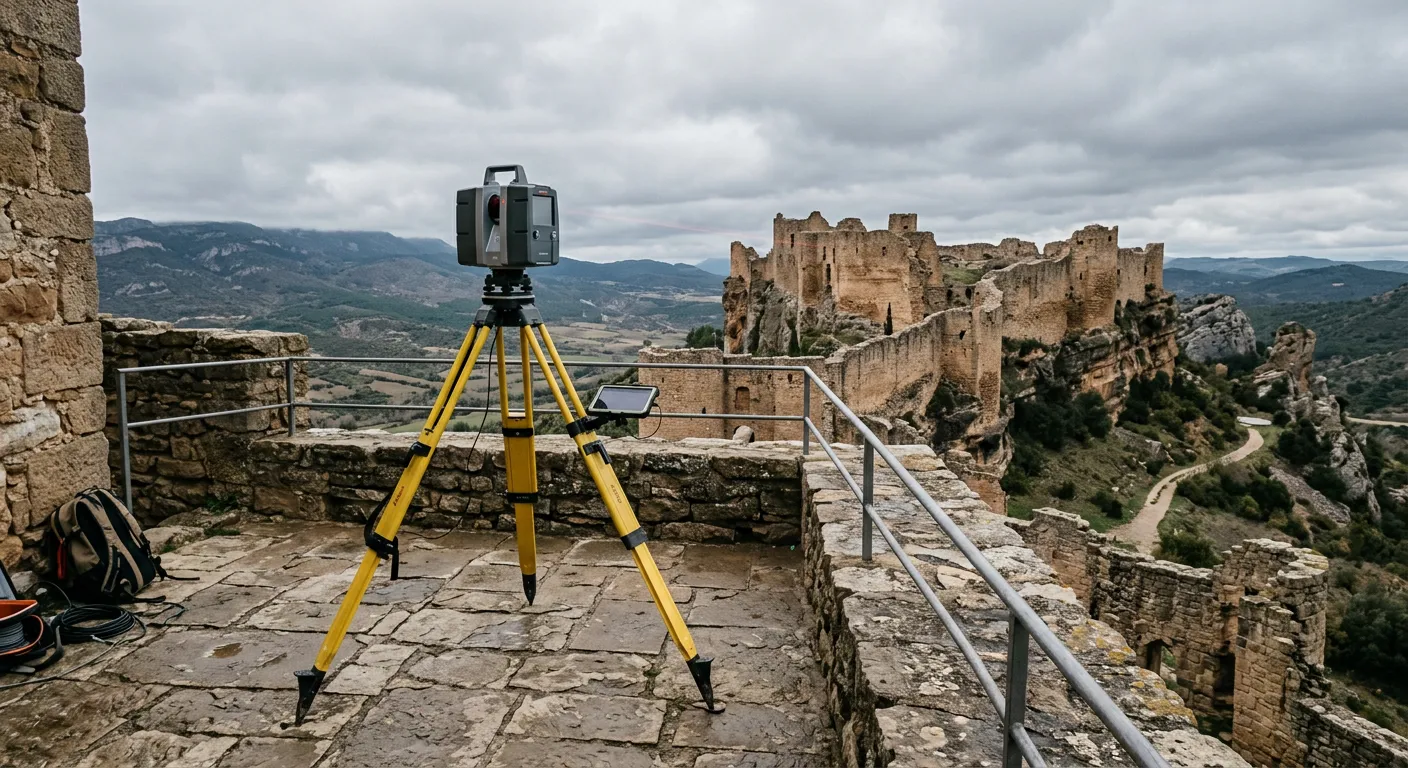
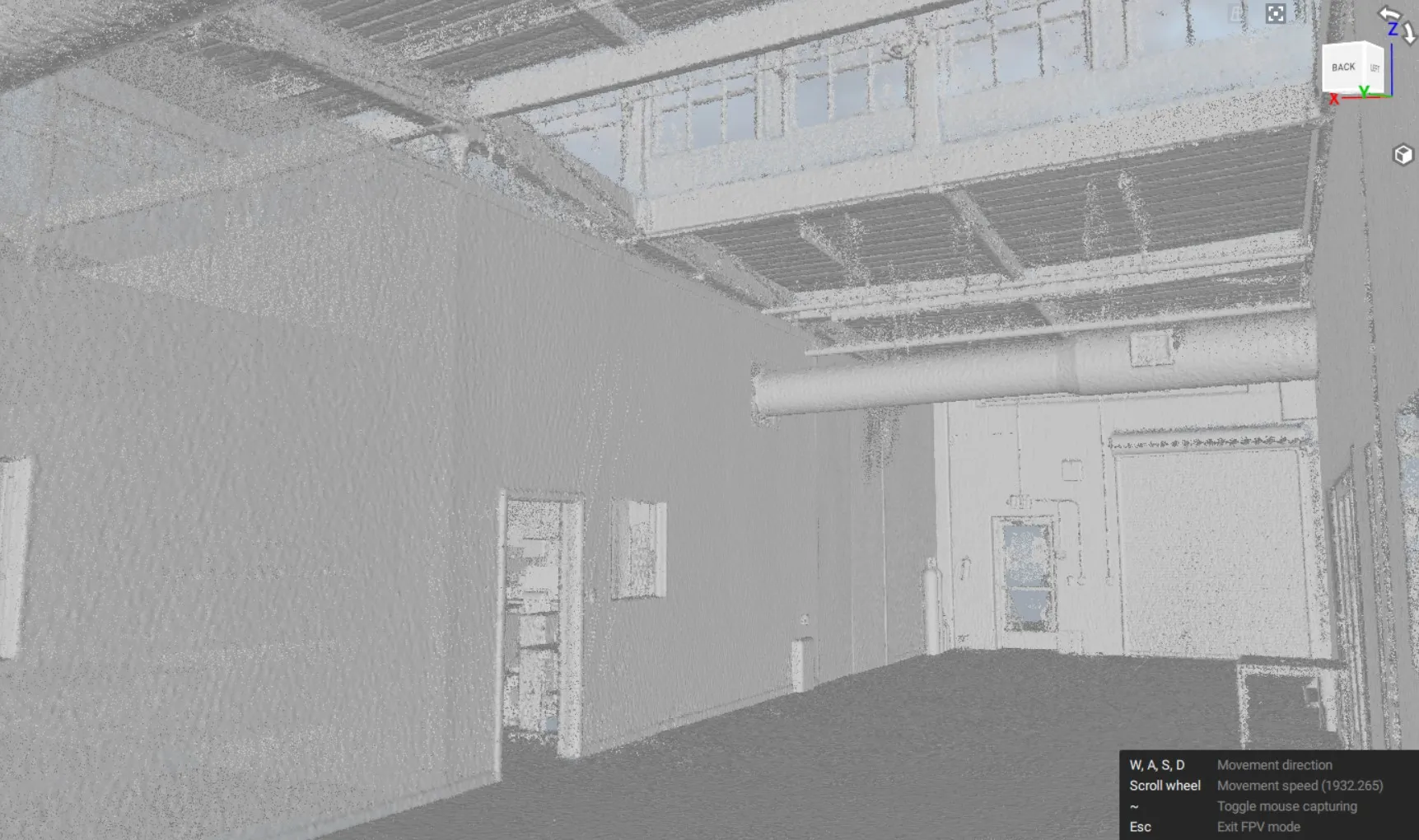
Map rooms, plants or sites: Artec Jet mobile LiDAR.
Start on a budget: Artec Eva.

Not sure? Tell us about your parts and one of our engineers will recommend a scanner.

A handheld 3D scanner records a part’s shape as a dense point cloud or mesh while you move it around the object. The result goes into CAD for reverse engineering, into inspection software for quality control, or into a 3D model.

Most scanners on this page use one of three technologies: structured light (Artec Eva, Leo and Neo), laser lines (SCANOLOGY KSCAN and SIMSCAN, and the Artec Point II), and laser scanners paired with an optical tracker (TrackScan and NimbleTrack). The Artec Jet is a mobile LiDAR scanner for spaces rather than parts.

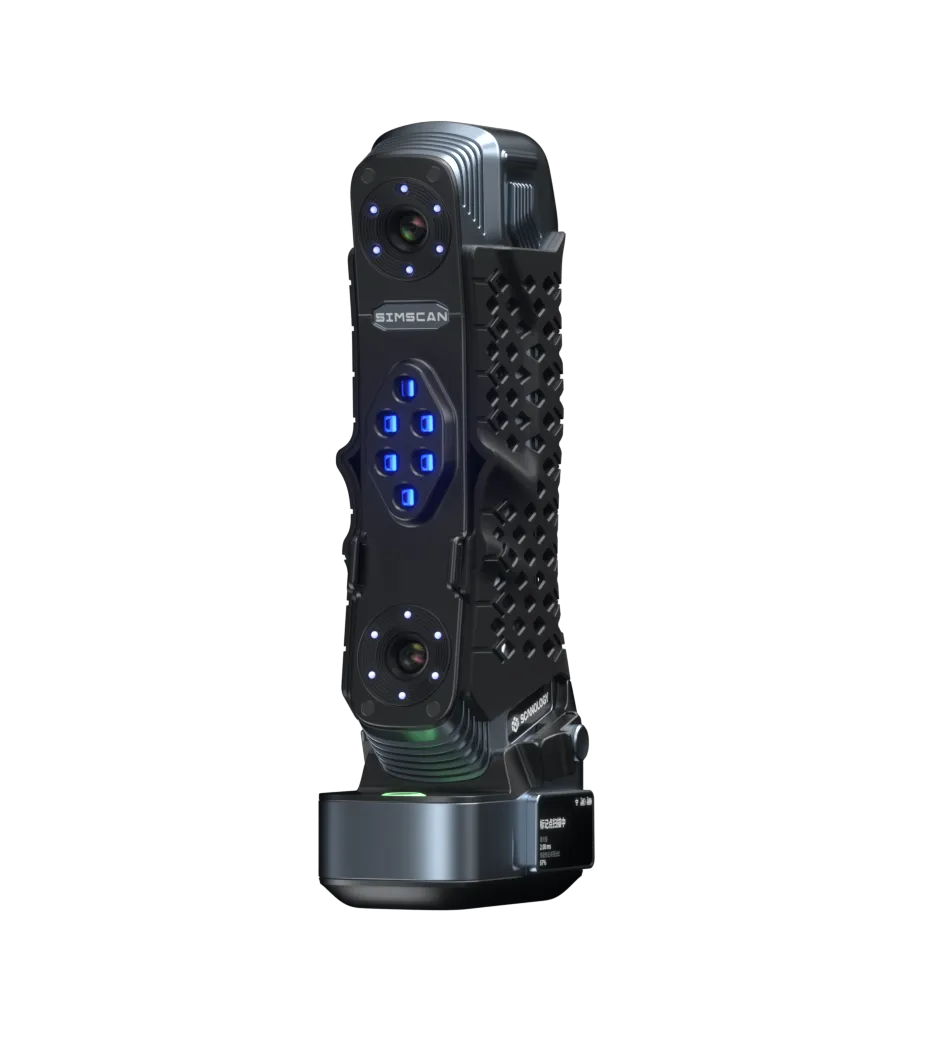
Most of the range: the Artec Leo and Neo, the SCANOLOGY KSCAN-X, KSCAN-E, SIMSCAN-E and SIMSCAN-S Gen2, and the tracker systems (NimbleTrack, TrackScan Sharp-S, Sharp-Z and GO). The SIMSCAN 42 goes wireless with the AirGo Pro link.

Only the Artec Leo is fully standalone: it processes and stores the scan on board and shows it on its own touchscreen, so you do not carry a laptop while scanning.

From about 0.1 mm for general-purpose scanners (Artec Eva and Leo) down to 0.015 mm for metrology models such as the SIMSCAN-S Gen2. The SIMSCAN 42, KSCAN-E and NimbleTrack reach 0.020 mm, and the Artec Neo 0.025 mm with targets.

On large parts, check volumetric accuracy as well, because error grows with the size of the part. The TrackScan Sharp-Z, for example, is rated 0.039 mm over a 3.5 m measuring range.

The Artec Spider II handles parts smaller than a centimeter up to several feet. The KSCAN-X covers up to 2.6 m × 1.8 m per frame for very large parts. Tracker systems extend the range further: the TrackScan Sharp-Z tracker reaches 12 m. For whole rooms and sites, the Artec Jet maps space with LiDAR.

Shiny, black and transparent surfaces are the hardest to scan. A light coat of AESUB scanning spray solves it, and the vanishing sprays disappear on their own after the scan. Some scanners handle these surfaces without spray; see spray-free scanners.

Most do: a laptop collects the data while you scan. The Artec Leo is the exception, because it captures and stores the scan on the device. Every scanner still needs a computer afterwards, to process the data and export a mesh, point cloud or CAD file.

A small, simple part can take a few minutes; a large, complex one takes longer. Speed depends on the scanner’s capture rate, which ranges from several hundred thousand to several million points per second, and on how much detail you need.

Yes. Book a live demo and scan parts like yours with one of our certified engineers. Every scanner we sell includes setup, support and training.