
You have an idea, a hand drawing, a legacy 2D print or a scanned part, and you need it as a proper 3D CAD model that a machine shop will accept. We build it. Parametric, fully dimensioned, and delivered in the format your manufacturer or your own CAD seat expects.
This is design capacity without a hire. Digitize Designs works from whatever you have, including a napkin sketch, and returns an editable model rather than a picture of one.
Free, no obligation. 10% off your first project. You own the model and the source files.
Whichever one you are starting from, the deliverable is the same: an editable, manufacturable model.
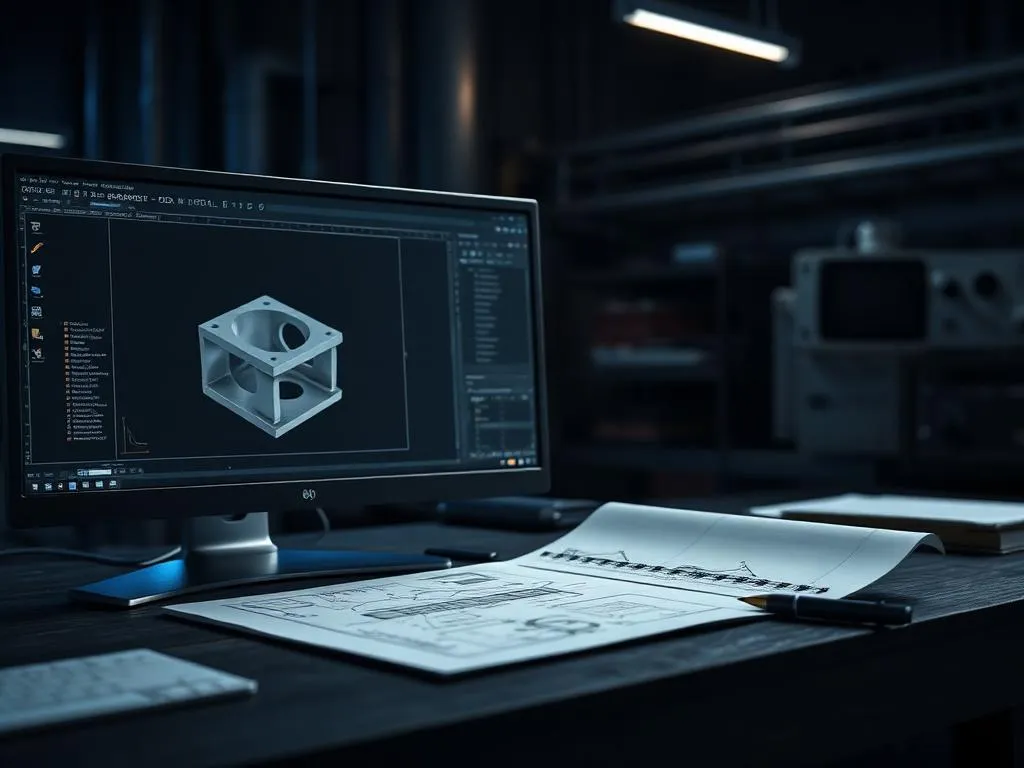
Hand drawings, dimensioned napkin sketches, or a description and reference photos. We come back with questions before we model, because the questions are cheaper than the revisions.
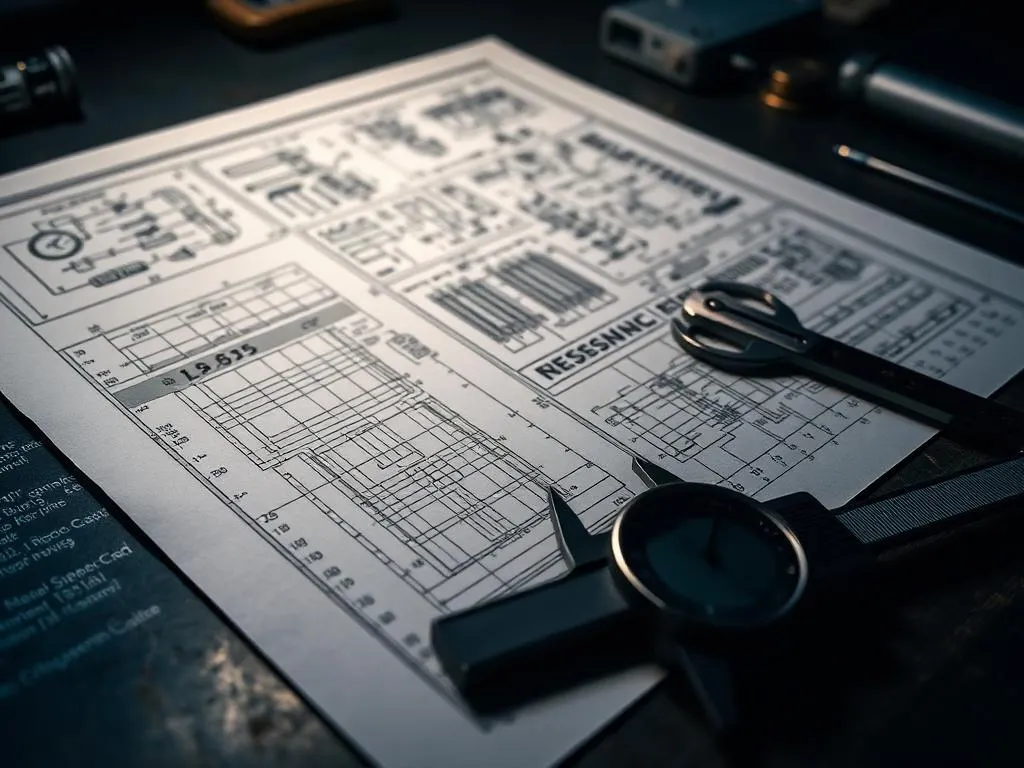
Legacy prints, PDFs or DWG files that need to become a 3D model, usually so the part can be quoted, machined or simulated by someone who no longer accepts 2D.
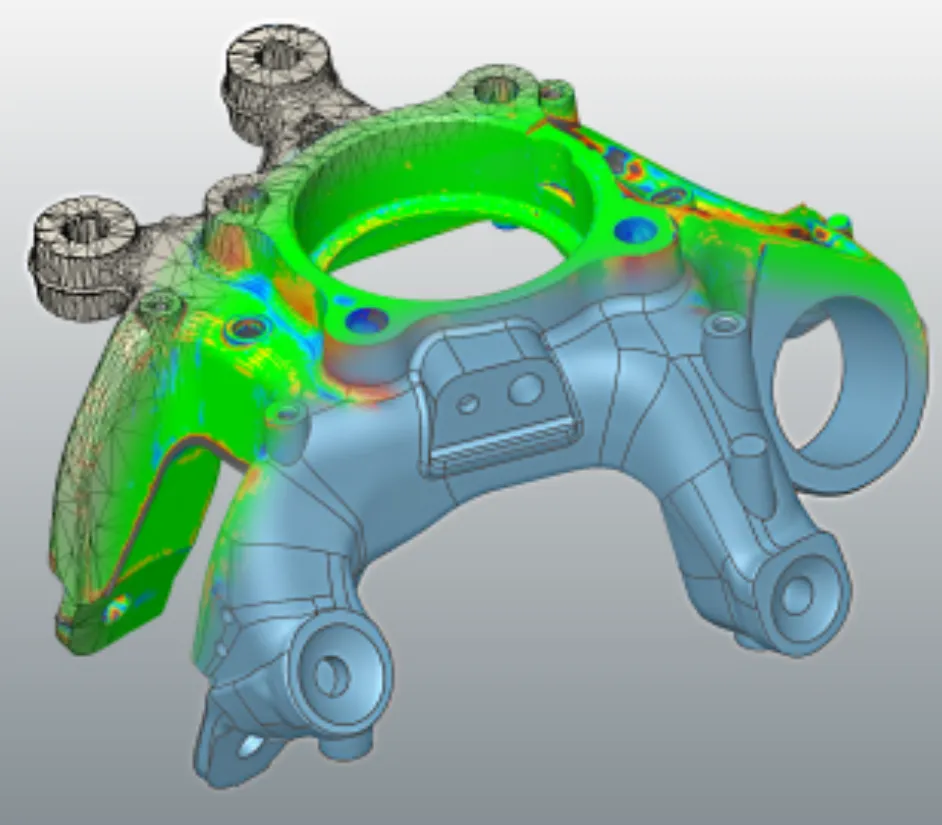
A physical part scanned into a mesh, rebuilt as parametric CAD. This is reverse engineering, and if you have the part rather than the drawing, that is the page you want.
We read what you send and come back with the questions that change the model: critical dimensions, tolerances, material, manufacturing method, and what the part has to mate with. Most modeling problems are specification problems.
Built as parametric solid geometry with a clean, editable feature tree. Named features, sensible sketch relations and a history you can actually work in later, rather than an imported lump nobody can modify.
You see the model and a rendering before it is finalised. Changes at this stage are quick and included, which is why we put the checkpoint here rather than at delivery.
Native format plus neutral exchange files, and dimensioned 2D drawings if you need something to hand a machine shop.
Not sure your sketch is detailed enough to model from? It usually is. Send it and we will tell you what is missing before you commit to anything.
Every deliverable is a parametric solid with a clean feature tree, so your team can change a dimension six months from now and have the model update instead of starting over.
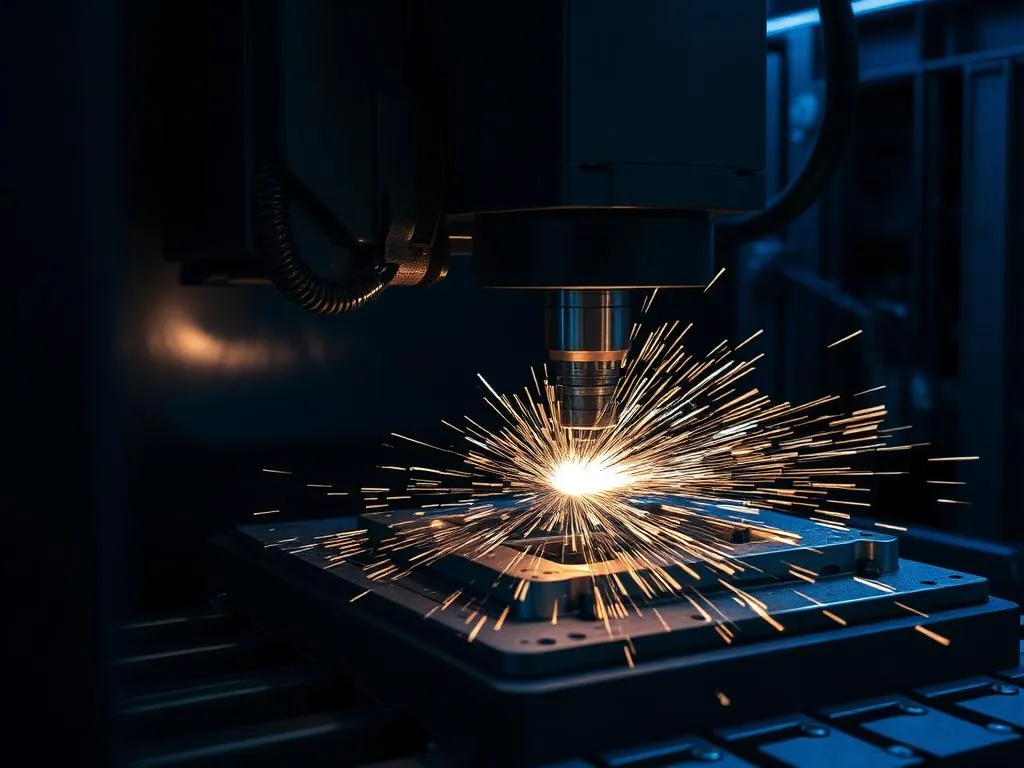
Models built to be machined, moulded or printed, with the tolerances and draft the process actually needs.
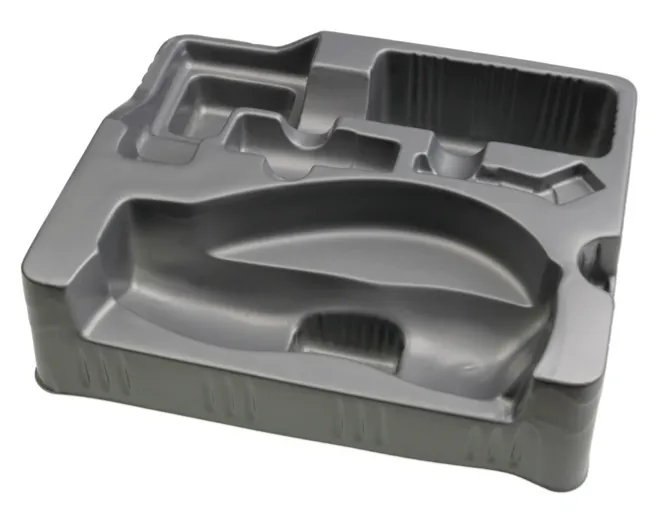
Modeling around an existing product, usually starting from a scan of the thing being packaged or held.
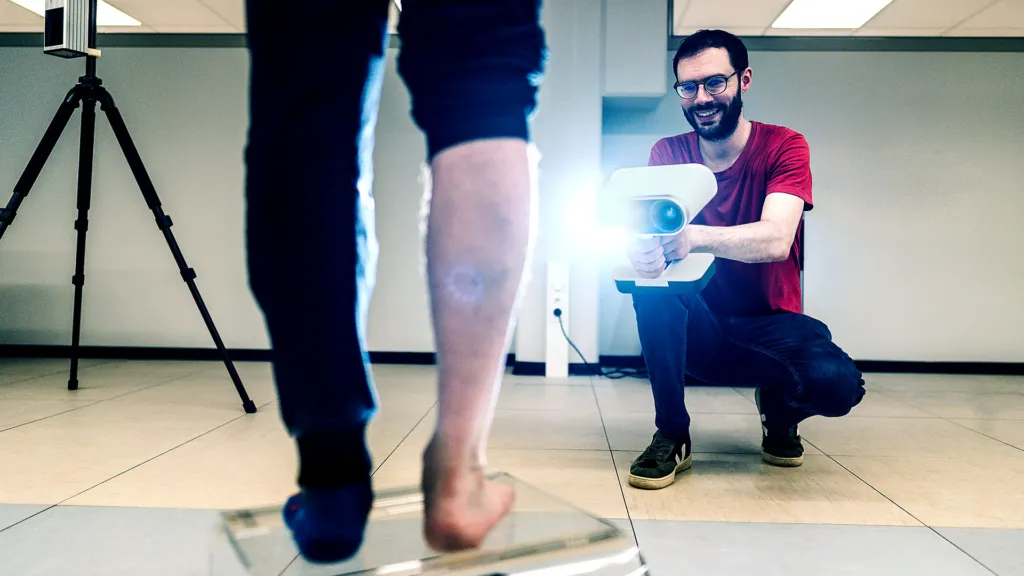
Prosthetics, orthotics and patient specific devices, where the model starts from a scan of a body rather than a drawing.
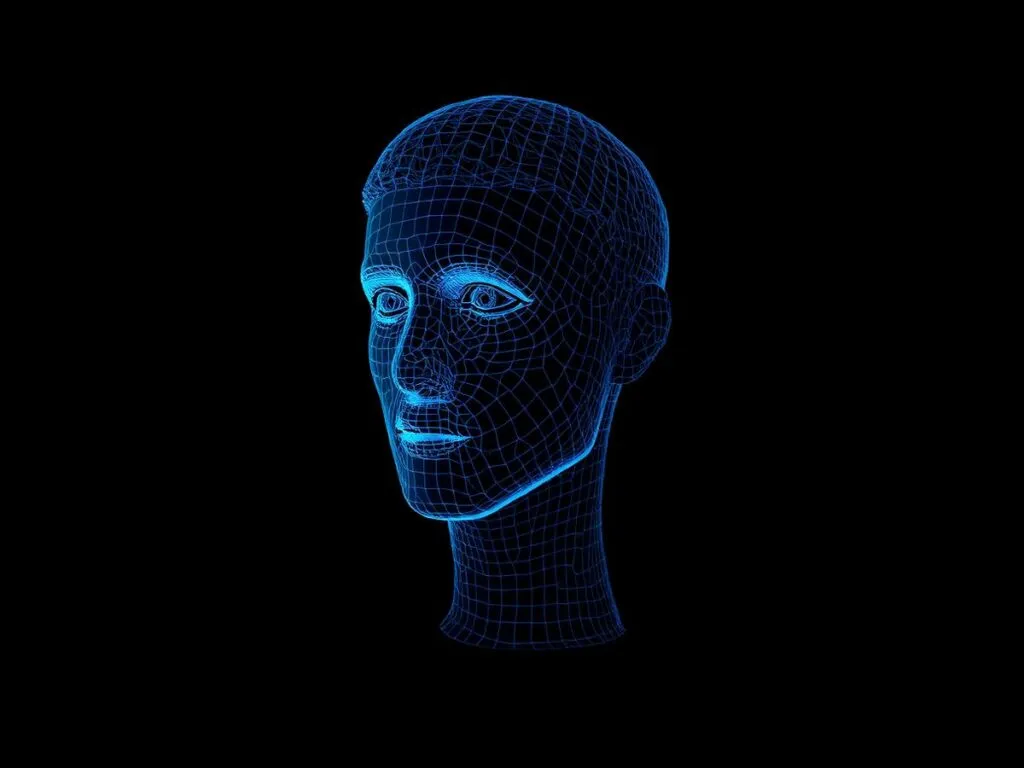
Presentation quality assets for marketing, design review and immersive environments.
Pricing is per project. Complexity drives it far more than size, so a simple bracket and an organically surfaced housing are quoted very differently. Send what you have and you will have a fixed number in 1 to 2 business days.
Proof
Existing bodywork captured with the Artec Leo, then modelled so new parts fit panels that were never documented and are no longer symmetrical.
Complex curved interiors captured on site and rebuilt as workable CAD, where no original drawings existed.
Manufacturing and industrial equipment, automotive and restoration, medical and orthotics, consumer products and packaging, architecture and interiors, and entertainment and visualisation.
If you have a physical part rather than a drawing, start with reverse engineering services, which is CAD modeling built from a scan. If you need the part captured but not modelled, see 3D scanning services. To verify a manufactured part against the model once it exists, see metrology and 3D inspection.
Whatever you have. Hand sketches with rough dimensions, existing 2D drawings, photographs with a reference measurement, or a physical part we can scan. What helps most is knowing the critical dimensions, what the part mates with, and how it will be manufactured.
Per project, driven by complexity rather than size. A simple machined bracket and a multi surface organic housing take very different amounts of modeling time even if they are the same physical size. Send what you have and you will have a fixed quote in 1 to 2 business days.
Yes, and it is more common than you might expect. What we need is at least one known dimension to scale from, and clarity about which features are critical. If the drawing is missing something essential we ask before modeling rather than guessing and billing for a revision.
Native SolidWorks, STEP and IGES as standard, plus Parasolid, STL, OBJ and WRL on request, and dimensioned 2D drawings as PDF or DWG. Tell us your CAD package and your manufacturer and we deliver what both of them need.
Editable. We build parametric solid models with a clean feature tree, so your team can change a dimension and have the model update. A surfaced lump with no history is faster to produce and nearly useless six months later.
2-3 weeks is our standard lead time, but expedited and same day turn around is available as needed
One review round is included before delivery. You see the model and a rendering, and changes at that point are quick. Revisions requested after sign off are quoted separately, which is why the checkpoint exists.
You do, including the native source file with its full feature history. You can take it to any other firm or bring it in house at any time.
A sketch, a drawing, a photo or a part. We come back within 24 hours with a fixed price, a timeline and any questions that would change the model. First time customers get 10% off their first project.
Send whatever you have: sketches, drawings, photos with a known dimension, or details of a physical part. Tell us the critical dimensions, what it mates with, how it will be manufactured, and the CAD format you need back.
No obligation. You own the model and the native source files. If your sketch is missing something we need, we will tell you rather than guess.
Request a quote and we come back with a no obligation price within 24 hours.
Get 10% off your first project.
Earn credits toward buying your own 3D scanner, software or accessories.
Work with us and get access to our full catalog of professional 3D scanning hardware, software and accessories.